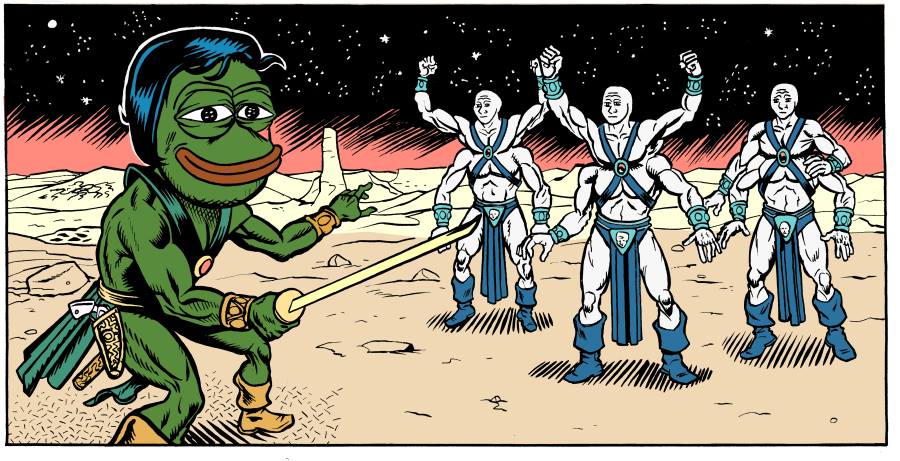
Robert Stark and co-host Rabbit talk to Cartoonist Mark Velard. He publishes his work at Refractor Industries
Topics include:
How he got into drawing comics
His influences, including Daniel Clowes, Robert Crumb, Jack Kirby, and Jim Woodring
The 60s-80s influence in his comics
Why he prefers to work in Pen & Ink instead of digital graphics
Edgar Rice Burroughs’ John Carter of Mars and Mark’s parody “Pepe John Carter”
His short stories, including his recent one Cliff Wretched’s Escape, and the themes that drive them
How his stories tend to be tales of journeys and heroism
His upcoming graphic novel “Clowns of the Apocalypse,” about evil clowns who invade society and want to be seen as equals
His stand up comedy
His fascination with Space Travel and Escapism
John Carpenter’s Film In the Mouth of Madness
How he ended up associating with the AltRight
How his politics influences his work
His experiences with political correctness at Comic Cons
Whether his political views have interfered with his art career
Robert Stark and co-host Rabbit talk to Adam Hengels.
Adam is SVP and Director of Development of PAD, a real estate development start-up that builds communities for young professionals. PAD’s developments will feature micro-apartments and other product innovations.
From Mega-Projects to Micro-Apartments, Adam has brought his development expertise to several high profile projects such as the $5B Barclays Center Arena and Atlantic Yards project in Brooklyn, New York . Adam earned his Masters in Real Estate Development at the Massachusetts Institute of Technology, and has a BS and MS in Structural Engineering.
Adam is passionate about urbanism, and is known as a pioneer in the Market Urbanism movement. His mission is to improve the urban experience, and overcoming obstacles that prevent aspiring city dwellers from living where they want. He considers the conventional apartment layout to be stale. Product innovations such as micro-apartments are a key part of the next wave in urbanism.
Topics include:
Why Adam advocates for the liberalization of zoning laws
The debate between absolute private property rights vs. the argument that regulations are necessary to prevent landowners from harming their communities
Zoning laws that contribute to suburban sprawl(ex. parking requirements, limits on density in suburbs, and government subsidies of roads and highways) Retrofitting Suburbia
How demographic and economic changes are leading to the decline of suburbia
How to attract middle class families back to cities by improving education and increasing housing supply
New Urbanism
How zoning laws can prevent bad developments, but can also lead to increases in costs of living
Whether zoning laws are necessary to preserve the aesthetic and historic character of cities
How original mixed use communities declined due to zoning regulation and the rise of the automobile
Robert Stark’s point that even though he supports historic preservation and wilderness conservation, he acknowledges that many zoning laws have negative affects on cities and encourage sprawl
How the Lack of New Housing On The Westside of LA Is Causing Gentrification Of East And South LA
Height limit restrictions in cities
Minimum lot size requirements, and how they stifle creativity in urbanism
Whether highrises can provide housing for the middle class, and Adam’s point that new highrises are expensive but over time they decline in cost and eases the overall demand for housing
Whether mass transit can function in a free market, and how New York City’s Subway System started out as private, and Tokyo’s Subway System is semi private Transit-oriented development
Adam’s development of micro apartments and how they can address the housing crisis for young people How zoning laws make it difficult to create micro apartments
The role that Zoning and Urban planning plays in income inequality
Robert Stark and co-host Rabbit talk to Seattle based artist Charles Krafft
Topics include:
How Charles started out as a painter in Seattle and San Francisco in the 1960’s, and how his earliest influences included the The Mystic Artists of the Pacific Northwest
Charles’s involvement with the 60’s Counter Culture in San Francisco, and how he was hired to do Psychedelic Light Shows
Rabbit’s comment that many figures from the 60’s Counter-Culture expressed politically incorrect views
The pros and cons of drug use and how it affects creativity
How Charles was influenced by the work of designer Von Dutch, his correspondence with him, and how he inspired his transition into ceramics
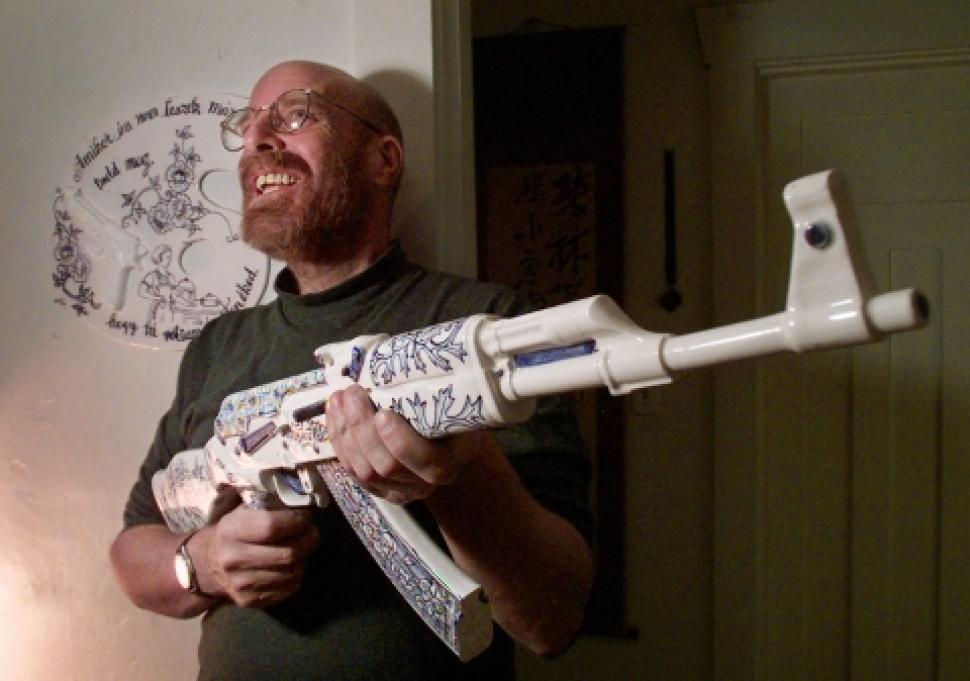
Charles’s Ceramic work in the blue and white Dutch Delftware style
How Charles specializes in bone china made out of human remains, and commissions pieces to honor deceased love one’s out of their ashes
How his ceramic work includes replicas of guns as well as controversial historical and public figures
Charles’s experiences with censorship due to his political views and how that has affected his Art Career
The recent cancellation of his art exhibition in London due to threats from Social Justice Warriors
How some Art Journalist have used his case to demonstrate the need for freedom of speech in the art world
How politics is created by culture, and how the right has delegated culture to the left
Dissident Artist movements that have become marginalized such as Italian Futurism
Charles’s experience as a war photographer in Bosnia with the Slovenian band Laibach
How Charles’s views on the Yugoslavian Civil War have changed
Science Fiction writers Robert Heinlein and Cordwainer Smith
Charles’s interest in the concept of National Futurism
Architecture and how Charles’s favorite styles include Craftsman and Art Nouveau
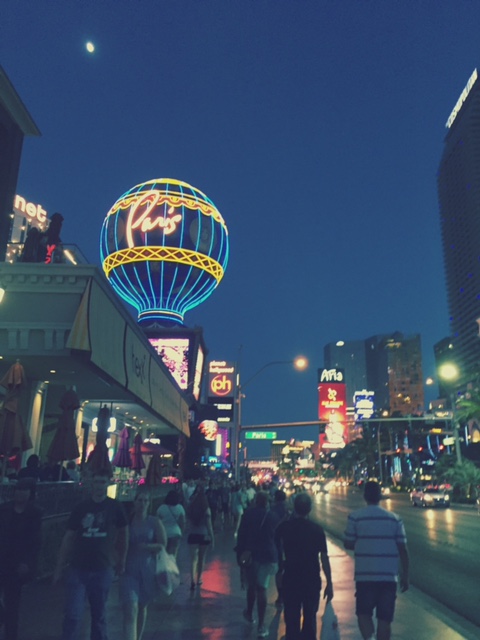
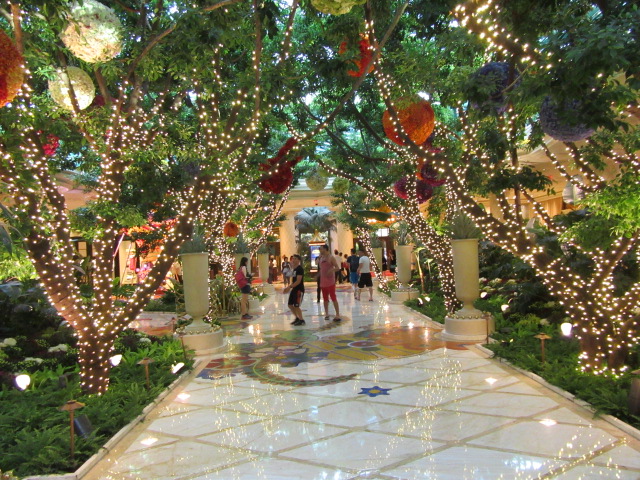
Robert and Rabbit’s recent trip to Las Vegas
How Las Vegas epitomizes capitalism and commercialism at it’s fullest
How Las Vegas demonstrates how capitalism is both a force for creation and destruction
How Las Vegas lacks any historic preservation
How despite it’s flaws Las Vegas offers an otherworldly fantasy experience
The Resort Fees
The ethics of Gambling
The political and demographic landscape of Las Vegas and Nevada
How Las Vegas lacks any significant SWPL presence
How Las Vegas attracts the trashiest of pop culture
Douche Bag culture, it’s different subsets, and how it’s absorbing hipster culture
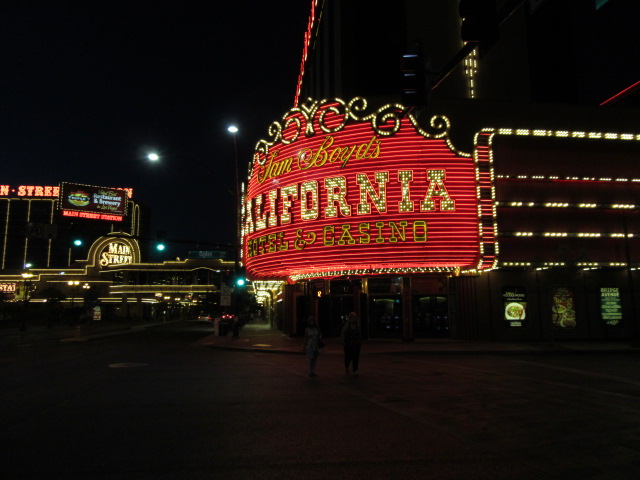
The Aesthetics of Las Vegas Casinos, Robert and Rabbit’s favorites, and conceptual casino designs
The different era’s of Las Vegas, including Vintage Las Vegas, the themed resorts of the 90’s, and the newer casinos
The Las Vegas monorail
Whether Las Vegas resorts are a model for urban living
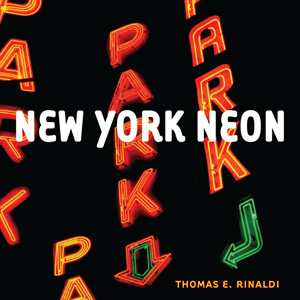
How Thomas got interested in Neon growing up, and how he noticed it’s decline
His project charting and photographing existing Neon Signs before they disappear
The History of Neon, how it was invented in Victorian England in 1898, and latter made into signs by French Scientist Georges Claude
How the peak of Neon was in the late 1920’s and 30’s(Art Deco Era), but already started to see a decline in the 40’s
How Neon was originally used by Corporate chains but latter delegated to small businesses Churches & Neon
How Neon was originally seen as glamorous but latter became associated with seediness
Neon in Cinema, contrasting Dick Powell’s glamorous Gold Diggers Of 1933 – The Shadow Waltz and his 1944 detective film Murder, My Sweet, which depicts Neon as seedy
The 1946 film It’s a Wonderful Life which also uses Neon to depict seediness Hotel Neon Signs and and Hotel Neon in the Film Noire Genre
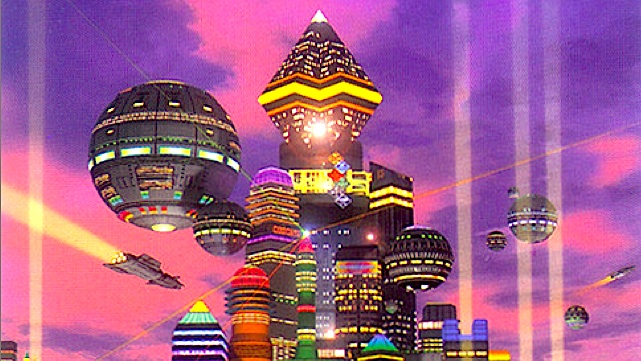
Neon in future films including the utopian 1927 film Metropolis and the dystopian 1982 film BLADE RUNNER
Incandescent Bulb Signs
The history, decline and revitalization of Time Square, and how there are very few Neon Signs left
How Neon has become replaced by LED Signs
The myth that Neon signs are not eco friendly
Historic preservation issues regarding Neon Signs New Neon Signs designed in the Vintage style Neon in San Francisco and the book San Francisco Neon
Las Vegas, how newer casino’s have rejected Neon, and how older signs are preserved at the Neon Museum
The popularity of Neon in Asian cities
How there is a renewed interest in Neon
Artist who depict Neon in their work including Robert Stark
Neon in 1960s Pop Art
The importance of patronizing businesses that have Neon Signs
Science Fiction writer Robert A. Heinlein was an influential and controversial author of the genre in his time. Robert Stark and Rabbit discuss his work as well as his philosophical and political views.
Topics include:
How Heinlein is difficult to pigeon hole ideologically, having been associated with leftism, libertarianim, and fascism
How one can interpret his with their own ideology(ex.libertarians: The Moon Is a Harsh Mistress, Hippies: Stranger in a Strange Land)
Rabbit’s view that Expanded Universe best demonstrates Heinlein’s outlook The Moon Is a Harsh Mistress, which is about a lunar prison colony revolt
Counter-Currents article Heinlein for Right-Wingers
Heinlein’s Farnham’s Freehold about whites being enslaved by blacks in the future and how the book has been interpreted as being both racist and anti-racist Heinlein’s “contradictory” views on race
How Heinlein was an advocate of sexual liberation Sex in Heinlein’s work and how he explored sexual taboos such as incest
Heinlein’s rejection of liberal democracy, and his belief that people must prove they are vested in society in order to participate in democracy Heinlein’s economic views and advocacy of Social Credit
Heinlein’s support for space exploration and belief in an infinite Universe
Heinlein’s Red Planet about a colony on Mars
Heinlein’s experiences with censorship
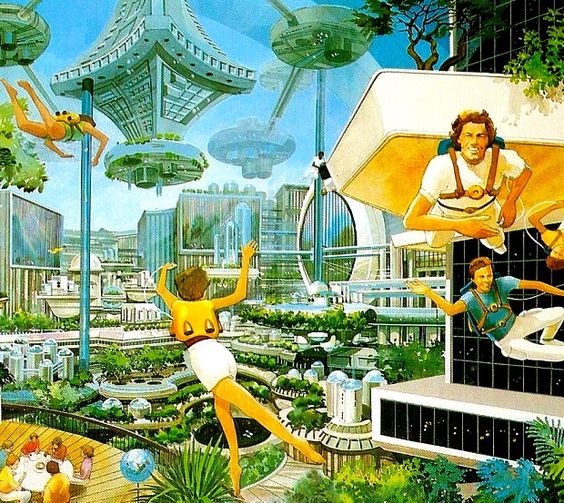
The vision of the future in Mid Century Science Fiction versus that of today
Mid Century Space Age aesthetics Trad Youth’s critique of Rabbit’s Alt Left
Greg Johnson’s West Coast White Nationalism and how it is similar to the Alt Left
How Rabbit was part of the early hipster scene and how he saw it’s decline into trashy pop culture
Alex’s ideological and philosophical journey
How Alex’s political views are where the dissident right meets the radical center
Alex’s upcoming podcast “The Lord of the Gadflies”
How Alex defines liberalism as modern society, a mutable force with different layers
America’s cultural homogenization
The pros and cons of individualism
How our world is at a point of disintegration(the Kali Yuga) and we are at a void
Why Alex supports Donald Trump primarily as a metaphorical symbolic figure against the globalist establishment
Donald Trump, “New York values”, and how he is searching for values of the American people
Radical Centrism, which is where the left and right overlap against the establishment
How giving out information is often more effective than pushing an ideological agenda
Alex’s view that it is important to maintain a European demographic majority, but rejects crude racial thinking such as disliking a person because of their race
The Red Pill, Blue Pill, Iron Pill, Bread Pill(Christianity) Yellow Pill(Libertarianism, Anarchism), and Black Pill
How the Red Pill is the rejection of the dominant values of society
How with the Red Pill one must develop their own world view and perception of the truth
How the Red Pill leads to either the Iron Pill, which is self improvement and self realization, or the black pill which represents alienation, nihilism, and despair
Christianity, Catholicism, and Spirituality
The Millennial generation, and how they are unique in the sense they were spoiled growing but now face a dire economic situation
The appeal of Bernie Sanders to Millennials
The NEET Phenomenon
Gammergate
How Robert and Ray both have personal connections to Santa Barbara and how the city is almost too idyllic
Crime Fiction Novelist Ross Macdonald who’s work captures Santa Barbara
Santa Barbara as a place with strict zoning laws that was modeled after Andalusia in Spain
The contrast between life in Santa Barbara and New York City
How New York City has changed in Ray’s time there in the 70’s, 80’s and 90’s
How Cuisine is the one area that has seen increased innovation in New York
Ray’s cameo in the film Exposed set in New York in 1983 staring Nastassja Kinski
How films such as Exposed and Taxi Driver are documentaries for New York in that era
The new peculiarly shaped skyscrapers going up in New York today “See through buildings” where wealthy Foreigners are buying up real estate in New York and leaving them empty
How Ray is drawn to architecture because it is art you can experience and changes the world in a way that regular art doesn’t
How most of the general public has little input and interest in architecture
How places without zoning laws tend to lack any aesthetic value
How the main rule in urbanism is not to do anything that harms the city Art Deco and how it succeeds in bringing tradition and modernity into one Architectual Revivalism which seeks to recreate older forms of architecture Robert Stark’s Artwork
Ray’s work at Newsweek as a reporters covering art, culture, literature, film, and theatre
How Ray’s most significant interviews were with Writers Philip, Roth, and John Updike, filmmakers Francis Coppola, and Robert Altman and Architect Christopher Alexander
How conservatives tend to avoid culture and leave that domain to the left
English Philosopher Roger Scruton as a model for a cultured conservative
Front Porch Anarchist Bill Kauffman New Urbanism
The The Retro Cocktail and Locavore movements James Howard Kunstler
Ray’s involvement with Environmentalism and Bioregional Anarchism
How the environmental movement abandoned the overpopulation issue due to political correctness and mass immigration
The Alternative Right
How the real political divide is between globalism and decentralization
Cultural trends and how Ray views himself as a cultural radar
The trend towards a focus on muscles for young men and men are more self-conscious about their bodies
The value of pleasure and leisure
Erotica and the debate about what’s art and what’s pornography
Controversial nude photographer Jock Sturges, who Ray interviewed
How society is a taking contradictory paths towards lewdness and prudishness Students Still Sweat, They Just Don’t Shower
How having taste and style has become equated with homosexuality
Young women moving to New York City because of Sex and the City “Sex Scenes” which is a raunchy, satirical audio entertainment that Ray created with his wife playwright Polly Frost. Check it out.
Rabbit is an artist, experimental musician, and blogs at AltLeft.com. Robert Lindsay joins latter in on the conversation
Topics include:
How politics is driven by the culture
How conservatives tend to focus on politics and are ineffective in creating culture
How the Alternative Right tends to attracts more creative types than the mainstream right
Why Rabbit feels that much of the Alternative Right holds backwards views towards art and culture
Rabbit’s artistic inspiration in Minimalism, Cubism, Mid-Century Space Age, and Dutch Constructivism Danish Modern Interior Design Robert Stark’s Artwork
The difference between between modernism and postmodernism Italian Futurism
How cultural innovation has stagnated
How the past is the future( ex: in the mid 20th Century the culture looked to the future instead of the past) Vintage Las Vegas
Skyscrapers
Whether capitalism is responsible for aesthetic decline
How in the early to mid 20th Century there was still an innocence to capitalism and higher aesthetic standards Mid-Century Advertisements
Strip malls Suburban cookie cutter houses as an example of when architecture is driven purely by profit without any aesthetic value