Robert Stark, Rabbit, and Alex von Goldstein talk to JIM GOAD
Topics include:
Jim’s upcoming book “The New Church Ladies”
Jim’s early exposure to politically correct censorship, including his magazine ANSWER Me!’s obscenity case, and his purging from Vice
The corporate collusion with political correctness, and Jim’s observation that Vice became more liberal as it became more corporate
How political correctness functions as a hyper moralistic religious structure
The corruption and tabloid nature of modern journalism
Jim ponders the questions “Am I A Racist? Depends On What You Mean By “Racist”
Why Jim rejects moralistic arguments
The Nietzschean concept of slave morality
Jim’s article Mr. Trump’s Economic Nationalism
Jim’s book The Redneck Manifesto Jim’s appearance on Bill Maher’s Politically Incorrect
Jim’s zine magazine ANSWER Me!
Answer ME!”s Suicide Issue, an interview with Jack Kevorkian, Kurt Cobain’s reading of the series before his suicide, a story of a girl who corresponded with Jim, and how the media shamelessly exploited her suicide
Answer ME!’s Rape issue, including interviews with serial killer Richard Ramirez, and prison rape survivor Donnie the Punk
Jim’s interview with pornographer Al Goldstein, and Al Goldstein’s interview with David Allan Coe
Trump’s debate performance far exceeded the first debate, and was consistent yet combative from the beginning
How despite that Trump did more to solidify his base, rather than appeal to undecided voters
How Trump responded to the leaked lewd comments of his Trump vows to get rid of carried interest loophole, despite his support for tax cuts for the top 1% WikiLeaks Dump: Hillary Dreams of ‘Open Trade and Open Borders Excerpts from $Hilary Clinton$’s $Wall Street Speeches$
How Hillary Clinton represent the worst of both the left and right(ex. corporate plutocracy, anti-worker, anti-white and male discrimination, and a Neoconservative foreign Policy)
In contrast, Bernie Sanders proposed policies that would of benefited the working and middle classes, and like Trump posed a threat to the establishment
How the political ideal would be to combine the best aspects of Trump and Sanders(ex. Radical Centrism)
How Trump’s economic policies are not ideal, but he is going as far as he can within the limits of the GOP’s overton window
Healthcare in the debate, how Trump focused on criticizing Obamacare, but only briefly touched on his proposal to allow insurance companies to compete over state lines
Robert’s point that in the American Healthcare model your screwed if you can’t afford healthcare, but in the public model in England where he lived everyone gets healthcare, but the quality is not the same as private hospitals in the United States
Rabbit’s point that socialized medicine works best in small homogeneous societies, but not on a large scale in the United States
Robert’s point that the Swiss Model for Health Care is the best out of existing models, but ideally insurance should be a usury free public utility
Trump correctly admitted Russia, Iran and Assad are a counter balance to ISIS and Wahhabism, to the dismay of GOP foreign policy hawks
Why there needs to be restrictions on democracy
Rabbit’s article A Proposal To Go Away, about the Alt Left, and how many of the new members are saying that Rabbit isn’t Alt Left, despite being involved much longer
How Alt Left founder Robert Lindsay has been involved in left race realism for a long time
The article Sub Types on the Alternative Left, and how Rabbit, as well as Robert and Alex fit into the Left Wing of the Alt Right
How the Trump’s campaign, Milo, and Breitbart are bringing mainline conservatives into the Alt-Right, and the Alt-Left is attracting disaffected Bernie Sanders supporters, who still hold onto a degree of political correctness
Rabbit’s article Milo Inc. – Not One of Ours Either, about how Milo is a mainstream capitalist conservative not Alt -Right, and supports importing foreign tech workers, and a neoconservative foreign policy
How despite that Milo has been useful in trolling political correctness
How Rabbit’s socially liberal views, and interest in futurism and modern art often make him feel out of place in the Alt-Right
Robert’s point that the Alt-Right is adopting Retro Futurism, New Retro Wave/Synthwave, and Vaporwave(ex. Alt-Right Synthwave Artist Xurious)
Rabbit’s response that they are attracted to the aesthetics and popular memes, but still hold onto reactionary traditionalist views
Rabbit’s article Blood, Soil and Food Courts, about the demise of the 70’s and 80’s malls
Robert Stark, joined with Rabbit, and Alex von Goldstein talk about his recent trip to the SF Bay Area
Topics include:
Robert’s departing point Santa Barbara, which is a nice laid back coastal town, but under the cultural influence of LA Robert Stark’s podcast with Bay Area Guy about his last trip to SF
Robert met up with Bay Area Guy and Anatoly Karlin in Berkeley
How like Robert, Alex, and Rabbit, Bay Area Guy and Anatoly Karlin exist on the periphery of the Alt-Right(ex.The Radical Center, Alt Left)
The Cultural Leftist legacy of Berkeley, and how Anatoly Karlin spoke at Richard Spencer’s event at UC Berkeley
How places that are politically correct often produce interesting dissident thinkers
How Berkeley is on a scale similar to European cities(ex. small, compact, dense and walkable)
How transplants often adopt the stereotypes of cities
Demographic trends in the Bay Area, how the traditional white middle class is being pushed out, but also working class Blacks and Hispanics are being priced out through gentrification
Asian culture and immigration in the Bay Area, and Asian Majority Cities, including Daly City, where Robert stayed
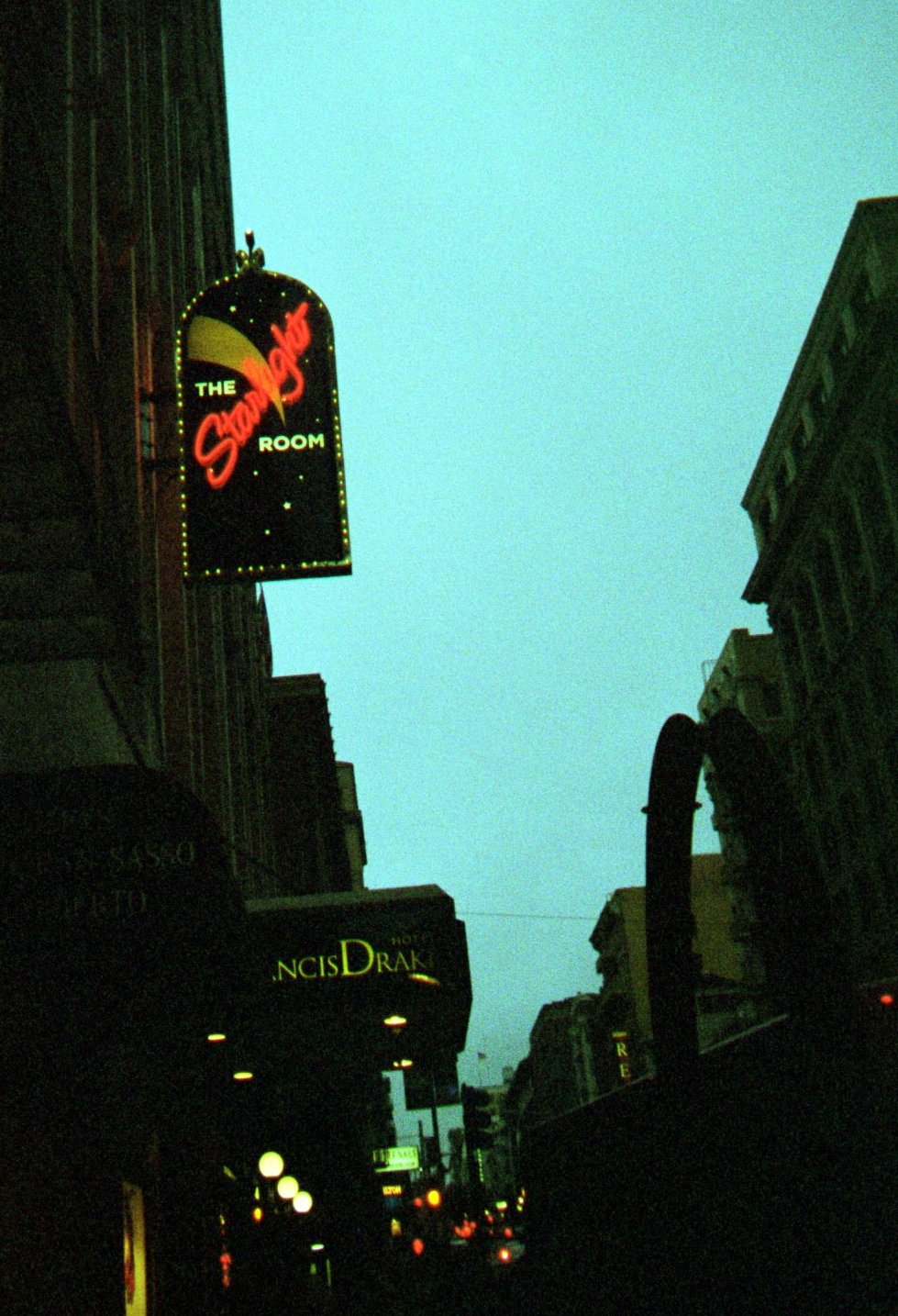
The seedy Tenderloin District, urban grittiness, and how it reminded Robert of the film Taxi Driver
The film Dirty Harry
The BART(Bay Area Rapid Transit) System, which has a 70’s futurist aesthetic, and has had issue with crime
The film Fruitvale Station about a Police incident on BART in Oakland
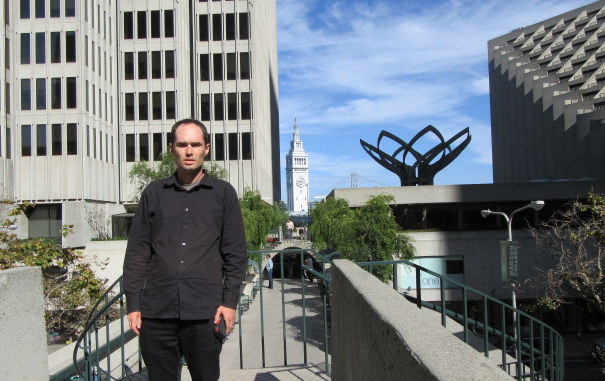
The 70’s futurist Embarcadero Center, designed by architect John Portman, and the importance of having urban oasis’s
How the Silicon Valley is a bland suburban region, which demonstrates that technology has limitation without culture and aesthetics The Shortage Of Women In Silicon Valley
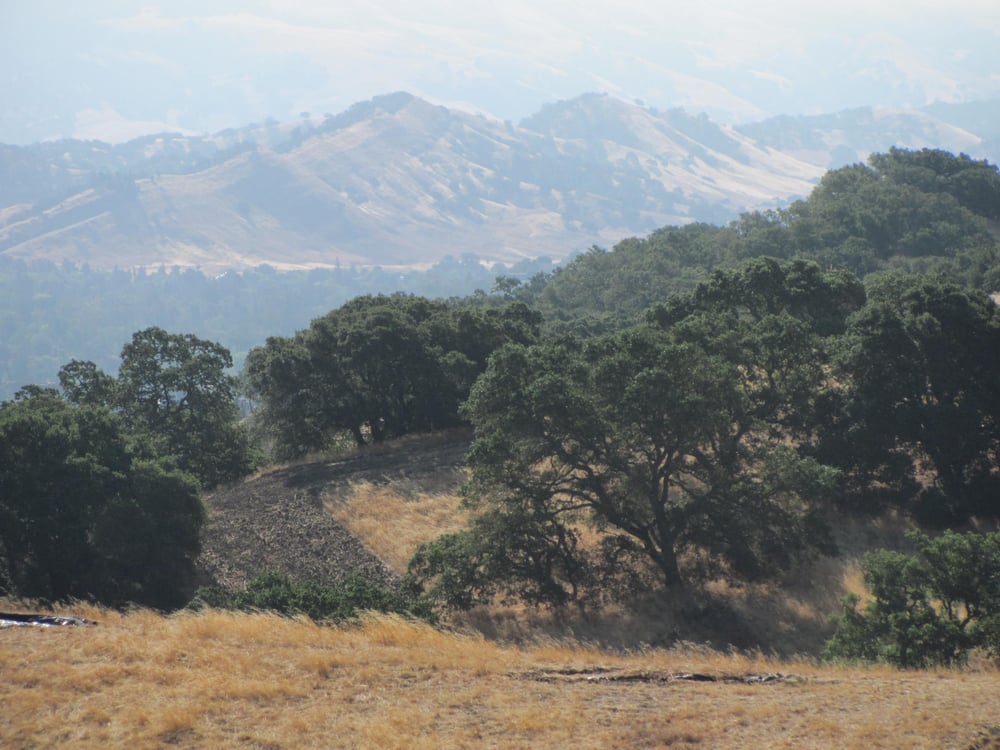
How the area where the tech elite lives has wilderness preserves, in contrast with their support for mass immigration How the Bay Area has done a better job at Wilderness Conservation than Southern California
Robert’s observation’s about where to build in the Bay Area in response to his interview with Laura Foote Clark of Grow SF
How San Francisco has it’s own unique Aesthetic, and is the most scenic American City
How San Francisco is on a high level aesthetically, but the dominant culture is consumerism mixed in with some cultural leftist views
Robert stayed in Walnut Creek, which is a mid-century car oriented suburb in the process of being retrofited into a walkablle New Urbanist community
Walnut Creek aslo has BART access, and owns more open space per capita than any other community in California 80’s Vaporwave Architecture in Walnut Creek, how historic preservation has neglected 80’s Kitsch, and the occultist origins of Kek in California 80’s culture
Nearby Lafayette, which is an idyllic semi rural town, with quick BART access to the city(the best of both worlds for those who can afford it) The San Francisco Bay Area Renters’ Federation lawsuit against Lafayette, and the debate regarding development and diversity
Whether the Bay Area should be it’s own separate country, state, or broken up into a bunch of small independent city states
Robert Stark and co-host Alex von Goldstein interview Dramatist, Vagabond, HBD Doomsayer, Globalist, Universalist, Evolutionary Humanist, Panpsychist, Black Aryan, and Poet-Warrior, Haarlem Venison. Haarlem blogs at AcidRight.INFO
Topics include:
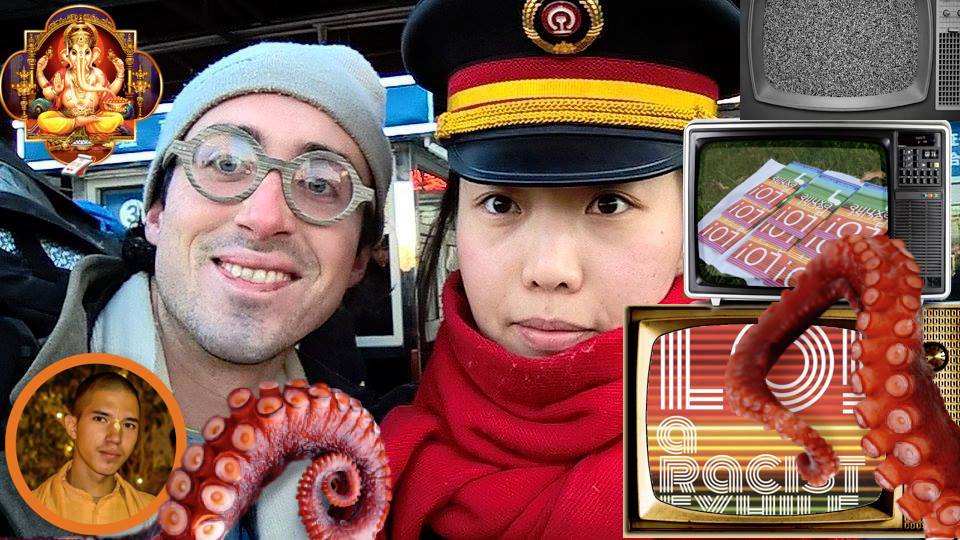
Haarlem’s book of poetry LO! a racist exhile
Robert’s observation that the book uses racial slurs, but the overall theme of the poems are not about race, but rather alienation and being an exile from society Moral Risk Associated with Dismantling Antiracism Co-opt Kindness and Empathy
Why Haarlem calls himself THE FINAL NEGRO The Origin of Haarlem’s Addiction to Sex with Refugee Men
Haarlems’s shtick is to elude categorization
Gangster Bolshevism
The role of the meek in society, and why Haarlem believes the meek will inherit the earth
Haarlem’s travels across Europe and Asia, and his observations of the cultures and countries he visited
Haarlem’s experience in Tibet, the Free Tibet movement, and ethnic self determination
The philosophy of the Acid Right, and the intellectual and spiritual value of psychedelic hallucinogenic drugs
How subversive political movements are more likely to come from counter-culture figures including hippies, rather than middle class conservatives
Haarlem’s new book DEATHTOTHEWORLD: an interracial racist love story
How the book is fiction, but the character is based on Haarlem, and inspired by his experiences traveling across America by Freight Rail
How the Alt Right serves a purpose as a wrecking ball to political correctness, but has it’s intellectual limitations
How Haarlem trolled Red Ice Radio by proposing the Nazi Virtual Reality Theory
Haarlem’s plan to attend the National Policy Conference, and organize a workshop(not officially affiliated with NPI) on non-violent direct action at West Potomac Park
His upcoming series of plays, “Four Speeches at the Gallows”
Harlem’s review of Beatnik Fascist by Brandon Adamson
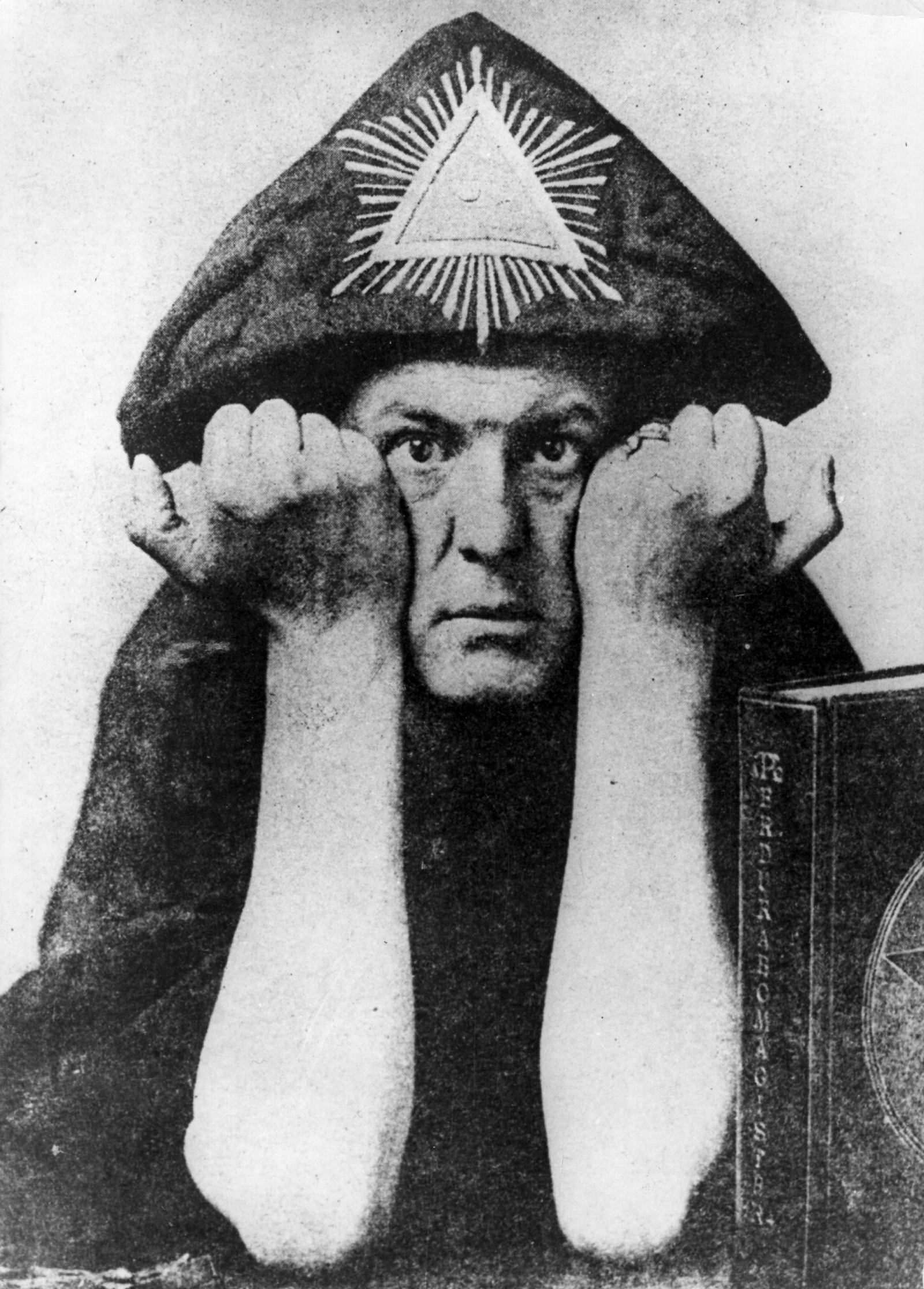
Robert Stark and co-host Alex von Goldstein talk to Paul Bingham about Aleister Crowley
Topics include:
Today Aleister Crowley exists either as an icon of occultism, used by subcultures, derided by others, but few are familiar with his political and philosophical ideas
Kerry Bolton’s series on Aleister Crowley as a Political Theorist, Part 1 and Part 2 Political Platform based on Crowley’s ideas Julius Evola on Crowley James J. O’Meara’s reivew of Richard B. Spence’s book Secret Agent 666
Crowley’s religion Thelema
Crowley’s fascination with power structures
Crowley transcended politics and did not fit into either traditionalism or the left
Crowley did not fit into the left for rejecting egalitarianism and mass democracy, and the right for rejecting free markets and traditional morality
Crowley’s Aristocratic individualism, and his belief in an Aristocracy of the creative class Wyndham Lewis‘s book The Art of Being Ruled, which like Crowley advocated the rule of the creative class
Crowley viewed the masses as spiritualy inferior
Crowley saw capitalism as degrading genuine cultural elitism
Crowley rejecting Marxism, but supported a social safety net to free up the creative class
Crowley’s value of leisure
Crowley came to the same conclusions about economics as the Distributist and Social creditors, who were Traditional Catholics
Distributism and Social Credit are the economic systems most compatable with Aristocratic Individualism Homo economicus
Crowley’s critique of democracy
Crowley’s environmentalism
Crowley’s interest in Mountaineering
Crowley tested the limits of human nature and practiced what he wrote about
The futurist philosophy is about testing what works
Crowley’s view of the future was that things will collapse and a new brighter future will emerge
Crowley’s erotic poetry series White Stains, and how he practiced the sexual acts he wrote about
Crowley used sexual experimentation to further his intellectual state, but did not advocate it for the masses
Why the individual must have freedom to exist within their own personal boundaries
Crowley’s advocacy of youth colonies, how the elites practice youth camps, and the importance of controlling youth
How male bonding and inter generational relationships are stigmatized for the masses
How Crowley often took the passive role in sexual acts with both men and women
Paul’s point that most people are either sexually dominant or submissive, but that being a switch is a uniquely Anglo trait
Crowley as the original Troll
Paul’s point that if Crowley were alive today he would be disinterested in western politics
Our upcoming show with Paul on Italian Futurism, and how Crowley, Wyndham Lewis, and the futurist had similar ideas, but were fiercely independent from one another
The origins of Hipster Culture
How in the late 90’s and early 2000’s there were Hipster, Douchebag, and Hip Hop Subcultures
How the original Hipsters were Arty and pretentious, but latter became part of mainstream pop culture, incorporating trashy elements of the latter two groups
Alex’s observation that Hipsters adopted other subcultures out of irony, but latter appropriated them(irony vs. post irony)
The Truth Will Live’s comment that Hipster Culture emerged as a reaction to 90’s Hip Hop Culture
How the original Hipsters were implicitly white, and into things such as environmentalism and anti-consumerism, similar to Rabbit’s Alternative Left
How SJW’s hijacked Hipster Culture
The Truth Will Live tells a story about when she was a feminist, and how she lost interest when she heard feminist apologizing for Third World cultures treatment of women Intersectionality
90’s Zine Culture
Experimental Noise and Drone Techno Music
The Truth Will Live’s observation that the Punk Scene was often explicitly white
The Truth Will Live’s observation that the more women enter a subculture the more politically correct it becomes
90’s Brit Pop
How Right Wing figure such as Gavin McInnes came out of the Hipster scene, and many Hipsters are now joining the Alt Right Taki Theodoracopulos, and how being wealthy enables one to express controversial opinions
How political correctness is an ideology of upper middle class strivers, who are trying to prove their status
How even within dissident subcultures there is still pressure to conform to the norms of those groups
Social Sexual Mores
Making the case for traditional mores from s secular scientific standpoint
The Truth Will Live’s Donald Trump story from work
Robert Stark, Rabbit, and Alex von Goldstein talk to writer and social critic, James Howard Kunstler
Topics include:
The history of suburbia
James’ theory of history that things happen because they seem like a good idea at the time
How our auto oriented petroleum based society is unsustainable
How bad urban planing has negative psychological and cultural implications
The role of zoning laws, and how zoning can both encourage and prevent suburban sprawl
The future of suburbia, how some will be retrofitted into walkalble communities, while others will be abandoned
The New Urbanist Movement
Mass immigration and overpopulation
Why James does not view skyscrapers and hyper density as viable alternatives to suburbia
Robert’s point that tall structures can have aesthetic value, and how James acknowledges that the early wave of skyscrapers(ex. Singer Building, Woolworth Building, Manhattan Municipal Building) were beautiful structures but historical flukes
How European cities provide the ideal model for urbanism
Examples of sustainable American cities include Portland, Oregon, Charleston, South Carolina, and Savannah, Georgia
Mass Transit, and why James favors investing in existing rail infrastrusture over new high speed rail
The Streetcar suburb, and how they provide a model for New Urbanism
James’ point that even with alternative energy and technological innovation, we still have to downsize and localize our society and economy
How peak oil will lead to economic and political decentralization
How Peak Oil will make Globalization unsustainable
The future of China and the Arab Gulf States
Pre-War Japan as the best example of an advanced civilization without industrialization
The scarcity of water in the future, and how the inland water system will regain it’s value Historic Preservation, how the movement was started in the 1960’s in response to the demolition of Pennsylvania Station in NYC, and the debate about what should be preserved
Rabbit makes the case for mid century modern
Capital scarcities in the future, and how mass development is dependent upon the financial system
James’ four book series set in a post economic collapse America, the World Made by Hand
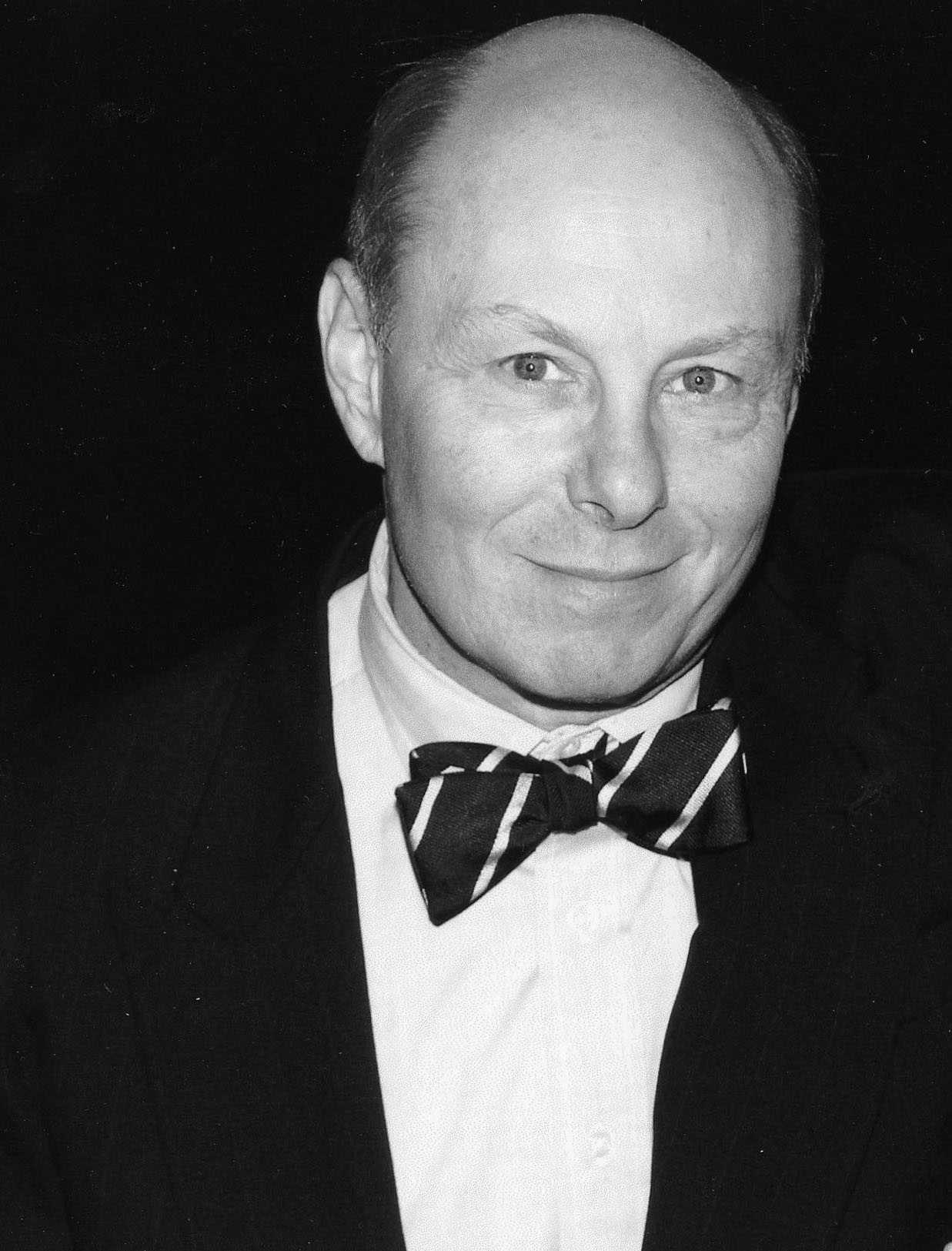
Robert Stark and co-host Alex von Goldestein talk to Ray Sawhill. Ray is a retired journalist who lives in Santa Barbara, CA. He blogs at Uncouth Reflections as Paleo Retiree
Topics include:
Ray’s career as an Arts, Culture, and Film journalist at Newsweek
How Ray stumbled into journalism, and how that was not his original passion in life
How artist and writers often get into journalism to make a living
The era of the journalist as the gatekeeper
Censorship in journalism
How the internet is changing journalism
The effects of the internet on cultural innovation
How the internet both enables creative types and non conformist to get their views across, while enforcing conformity for the rest
The impacts of the internet and social media on millennials
The internet and the concept of infinite knowledge
Ray started online blogging at 2Blowhards, because he wanted a platform for people with interesting cultural views who did not embrace the political correctness of the culture scene Arts & Letters Daily
Ray writings for Salon.com, how he interviewed Roger Scruton, and Thomas Sowell, and how Salon was much more open minded back than
The concept of good taste, and Ray’s observation that the wealthy and cultural elite form their taste in consensus
Ray’s point about people who travel is that they don’t come home and say why doesn’t their home town resemble the places they visit
Ray’s involvement the Punk Rock scene in New York in the 70’s and 80’s
How the Avant Garde was a product of technological limitations
The yippie movement in the 60’s as a precursor to the Alt Right troll culture
How the left counter-culture got absorbed into the establishment and the Alt Right is the new counter-culture
How the culture has stagnated and people are looking to the past for inspiration
Ray and his wife Polly Frost co-produced a webseries THE FOLD
Vaporwave & MACINTOSH PLUS
Sam Hyde’s new World Peace show on Adult Swim
How the 1970’s are considered to be the peak of American Cinema
Films including, Taxi Driver, Dirty Harry, and Falling Down
How art should transcend politics
Hillary Clinton’s speech against the Alt Right
Donald Trump’s response to the speech, that there’s no alt–right or alt–left” just “common sense.”
This comment led to a massive inquiry into the Alt Left and resulted in massive traffic for Rabbit’s AltLeft blog AltLeft in the National News
How mainstream journalists often fail to do research on the topic they are covering
How mainstream conservatives are now saying Hillary Clinton is behind the Alt Left
Conservative trolls on Twitter accusing Rabbit of being part of Clinton’s campaign
Many people are also claiming the Alt Left is Bernie Sanders’ and Green Party candidate Jill Stein’s
How the Alt Left is a movement started by blogger Robert Lindsay for liberals who oppose political correctness Rabbit’s Alt Left Manifesto Third Positionist, Rabbit views them as potential allies but is also in conflict with them over their opposition to his interest in futurism, modern art, and his socially liberal views
Is there room for a chic, left wing, futurist variety of “soft fascism?”
How political labels such as left and right have become obsolete
Rabbit’s plans for his blog to focus more on culture instead of politics
The Vaporwave themed Neonopolis in Las Vegas
Conceptual ideas for self contained autonomous futurist societies
The concept of Retro Futurism as how the past envisioned the future
How in the 20th Century society was undergoing rapid change and technological progress
How people today are either pessimistic about the future, or view the present as the future(The Current Year)
Whether Retro Futurism is pure fantasy, an alternative universe, or a blueprint for the future
The Future portrayed in film from utopia to dystopia
The 1927 film Metropolis, which was the first major future film, and inspired by Italian Futurism
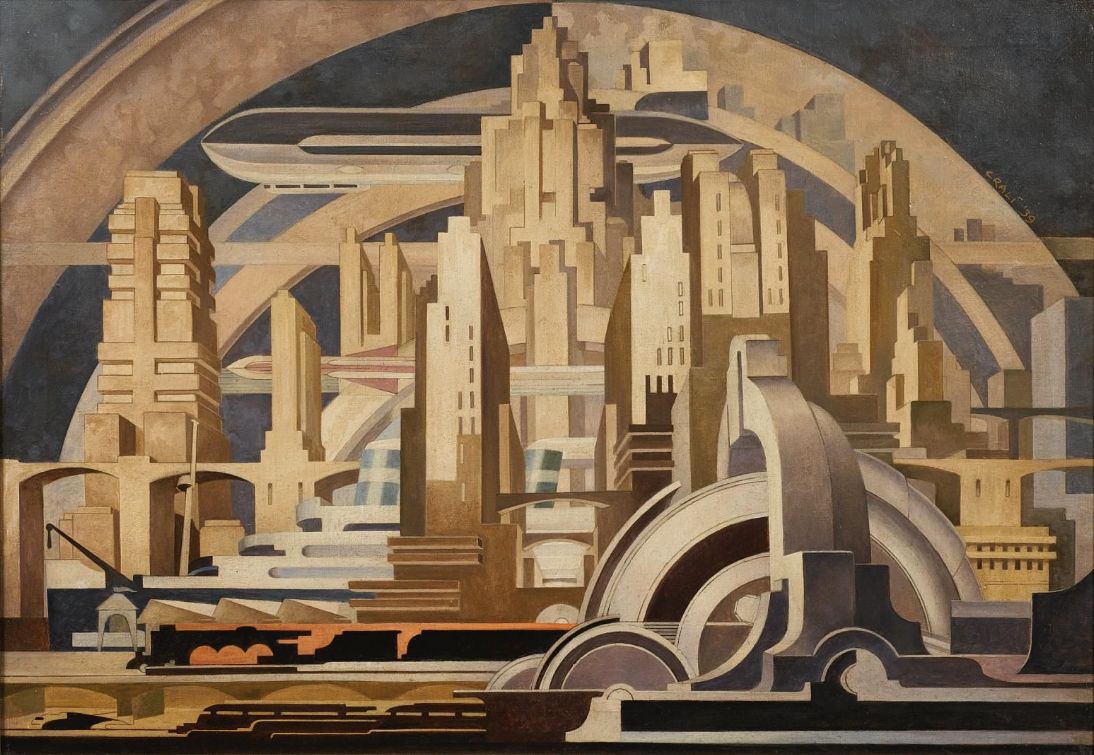
How Art Deco was the first major futurist movement in Architecture, and perfectly combines Futurism and Tradition
How NeonLighting has symbolized the future from the Art Deco era to the 80’s Cyberbunk aesthetic
The Synthwave/New Retro Wave Genre in music that emerged in the mid 2000’s, inspired by 80’s New Wave(ex. FM Attack, Robots with Rayguns, Electric Youth, College, Kavinsky)
How 80’s music was much more future oriented than today’s music Greg Johnson reviews New Order’s Music
The Euro-centric and deconstructionist elements to Electronic Music
Rabbit’s involvement in the early 90’s rave scene, and how it started out as futuristic but fizzled out into trashy pop culture
The revival of the 60’s Brit pop sound in the 90’s
How culture has become stagnant and people are looking to the past for inspiration Vaporwave, which is an aesthetic that emerged online, inspired by 80’s and early 90’s illustrations, video games, and elevator music
The Vaporwave Documentary
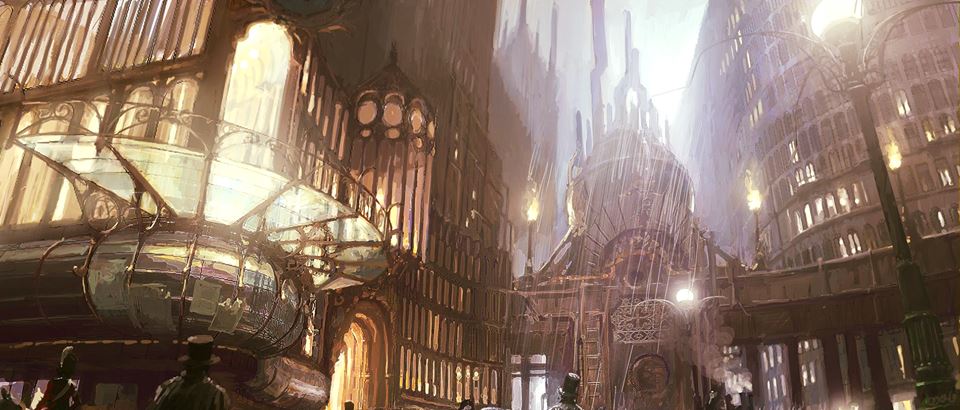
Donald Trump as an 80’s Retro-Futurist Vaporwave Icon Cyberpunk, how it was inspired by 80’s Films such as Blade Runner, as well as Science Fiction writer Issac Asimov, it’s popularity with the Dark Enlightenment and Silicon Valley Techno-libertarians. Steampunk, which a Futurist movement inspired by Victorian Aesthetics, Old Train Stations, and Science Fiction writers such as HG Wells and Jules Verne
Islamic Retro Futurism
The Mid Century Space age aesthetic
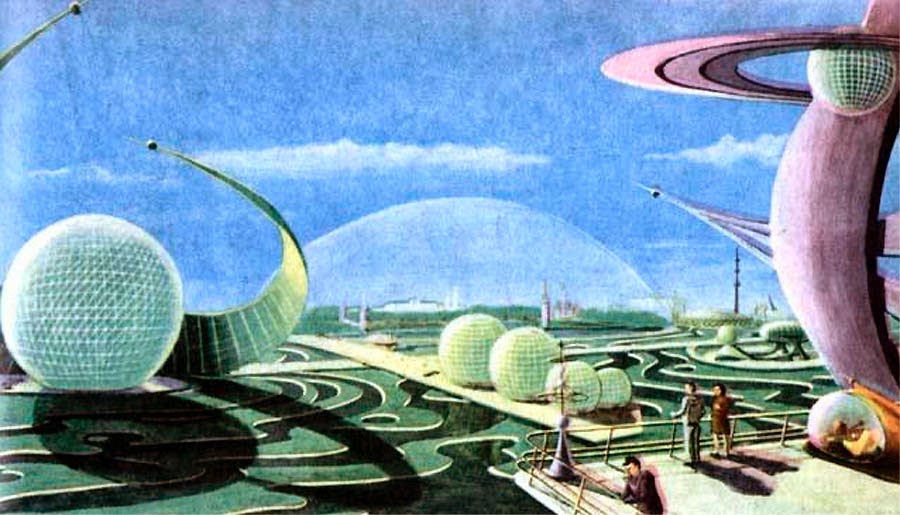
Soviet Retro Futurism
Las Vegas, the Retro-Futurist theme to the city, and hypothetical casino designs(Steampunk, Art Deco, Midcentury Space Age, Cyberpunk, Vaporwave)
Architect John C. Portman Jr. who built futuristic hotels with massive atrium in the 70’s and 80’s
The 80’s mall aesthetic, and how 80’s malls were a lot more futuristic and innovative than the ones being built today
Alex’s point that there is a transcendent element to the mall experience
How Retro-Futurism provides inspiration for architecture and urbanism
How Retro-Futurism offer a Third Alternative to the past and present course
How right wing publications tend to be mostly political, while left wing ones will focus on culture and insert politics
Whether Retro-Futurism is an aesthetic for a New Political Movement(ex.Radical Centrism)