
Robert Stark talks about his trip to the San Francisco Bay Area

robert-stark-embarcadero-sf2
union-square-sf
ghiridelli-square-v
img_0847
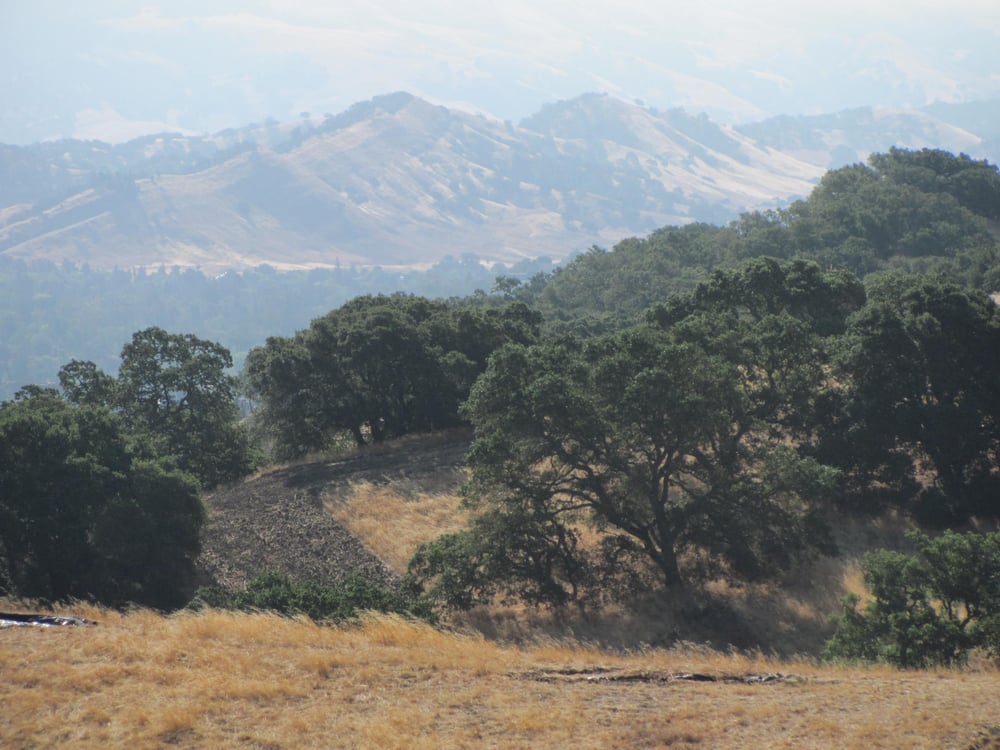
mount-d


Robert Stark, joined with Rabbit, and Alex von Goldstein talk about his recent trip to the SF Bay Area

Topics include:

Robert’s departing point Santa Barbara, which is a nice laid back coastal town, but under the cultural influence of LA
Robert Stark’s podcast with Bay Area Guy about his last trip to SF
Robert met up with Bay Area Guy and Anatoly Karlin in Berkeley
How like Robert, Alex, and Rabbit, Bay Area Guy and Anatoly Karlin exist on the periphery of the Alt-Right(ex.The Radical CenterAlt Left)
The Cultural Leftist legacy of Berkeley, and how Anatoly Karlin spoke at Richard Spencer’s event at UC Berkeley
How places that are politically correct often produce interesting dissident thinkers
How Berkeley is on a scale similar to European cities(ex. small, compact, dense and walkable)
How transplants often adopt the stereotypes of cities
Demographic trends in the Bay Area, how the traditional white middle class is being pushed out, but also working class Blacks and Hispanics are being priced out through gentrification
Asian culture and immigration in the Bay Area, and Asian Majority Cities, including Daly City, where Robert stayed
The seedy Tenderloin District, urban grittiness, and how it reminded Robert of the film Taxi Driver
The film Dirty Harry
The BART(Bay Area Rapid Transit) System, which has a 70’s futurist aesthetic, and has had issue with crime
The film Fruitvale Station about a Police incident on BART in Oakland
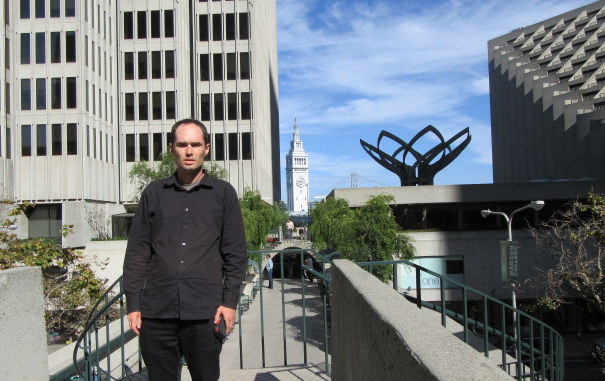
The 70’s futurist Embarcadero Center, designed by architect John Portman, and the importance of having urban oasis’s
How the Silicon Valley is a bland suburban region, which demonstrates that technology has limitation without culture and aesthetics
The Shortage Of Women In Silicon Valley
How the area where the tech elite lives has wilderness preserves, in contrast with their support for mass immigration
How the Bay Area has done a better job at Wilderness Conservation than Southern California
Robert’s observation’s about where to build in the Bay Area in response to his interview with Laura Foote Clark of Grow SF
How San Francisco has it’s own unique Aesthetic, and is the most scenic American City
How San Francisco is on a high level aesthetically, but the dominant culture is consumerism mixed in with some cultural leftist views
Robert stayed in Walnut Creek, which is a mid-century car oriented suburb in the process of being retrofited into a walkablle New Urbanist community
Walnut Creek aslo has BART access, and owns more open space per capita than any other community in California
80’s Vaporwave Architecture in Walnut Creek, how historic preservation has neglected 80’s Kitsch, and the occultist origins of Kek in California 80’s culture
Nearby Lafayette, which is an idyllic semi rural town, with quick BART access to the city(the best of both worlds for those who can afford it)
The San Francisco Bay Area Renters’ Federation lawsuit against Lafayette, and the debate regarding development and diversity
Whether the Bay Area should be it’s own separate country, state, or broken up into a bunch of small independent city states

Click Here to download!
Check out Robert Stark’s Artwork


View full photo album:

Continue reading Robert Stark talks about his trip to the San Francisco Bay Area

Robert Stark interviews Haarlem Venison

haarlem-venison


Robert Stark and co-host Alex von Goldstein interview Dramatist, Vagabond, HBD Doomsayer, Globalist, Universalist, Evolutionary Humanist, Panpsychist, Black Aryan, and Poet-Warrior, Haarlem Venison. Haarlem blogs at AcidRight.INFO

Topics include:

Haarlem’s book of poetry LO! a racist exhile
Robert’s observation that the book uses racial slurs, but the overall theme of the poems are not about race, but rather alienation and being an exile from society
Moral Risk Associated with Dismantling Antiracism
Co-opt Kindness and Empathy
Why Haarlem calls himself THE FINAL NEGRO
The Origin of Haarlem’s Addiction to Sex with Refugee Men
Haarlems’s shtick is to elude categorization
Gangster Bolshevism
The role of the meek in society, and why Haarlem believes the meek will inherit the earth
Haarlem’s travels across Europe and Asia, and his observations of the cultures and countries he visited
Haarlem’s experience in Tibet, the Free Tibet movement, and ethnic self determination
The philosophy of the Acid Right, and the intellectual and spiritual value of psychedelic hallucinogenic drugs
How subversive political movements are more likely to come from counter-culture figures including hippies, rather than middle class conservatives
Haarlem’s new book DEATHTOTHEWORLD: an interracial racist love story
How the book is fiction, but the character is based on Haarlem, and inspired by his experiences traveling across America by Freight Rail
How the Alt Right serves a purpose as a wrecking ball to political correctness, but has it’s intellectual limitations
How Haarlem trolled Red Ice Radio by proposing the Nazi Virtual Reality Theory
Haarlem’s plan to attend the National Policy Conference, and organize a workshop(not officially affiliated with NPI) on non-violent direct action at West Potomac Park
His upcoming series of plays, “Four Speeches at the Gallows”
Harlem’s review of Beatnik Fascist by Brandon Adamson


Click Here to download!
Check out Robert Stark’s Artwork


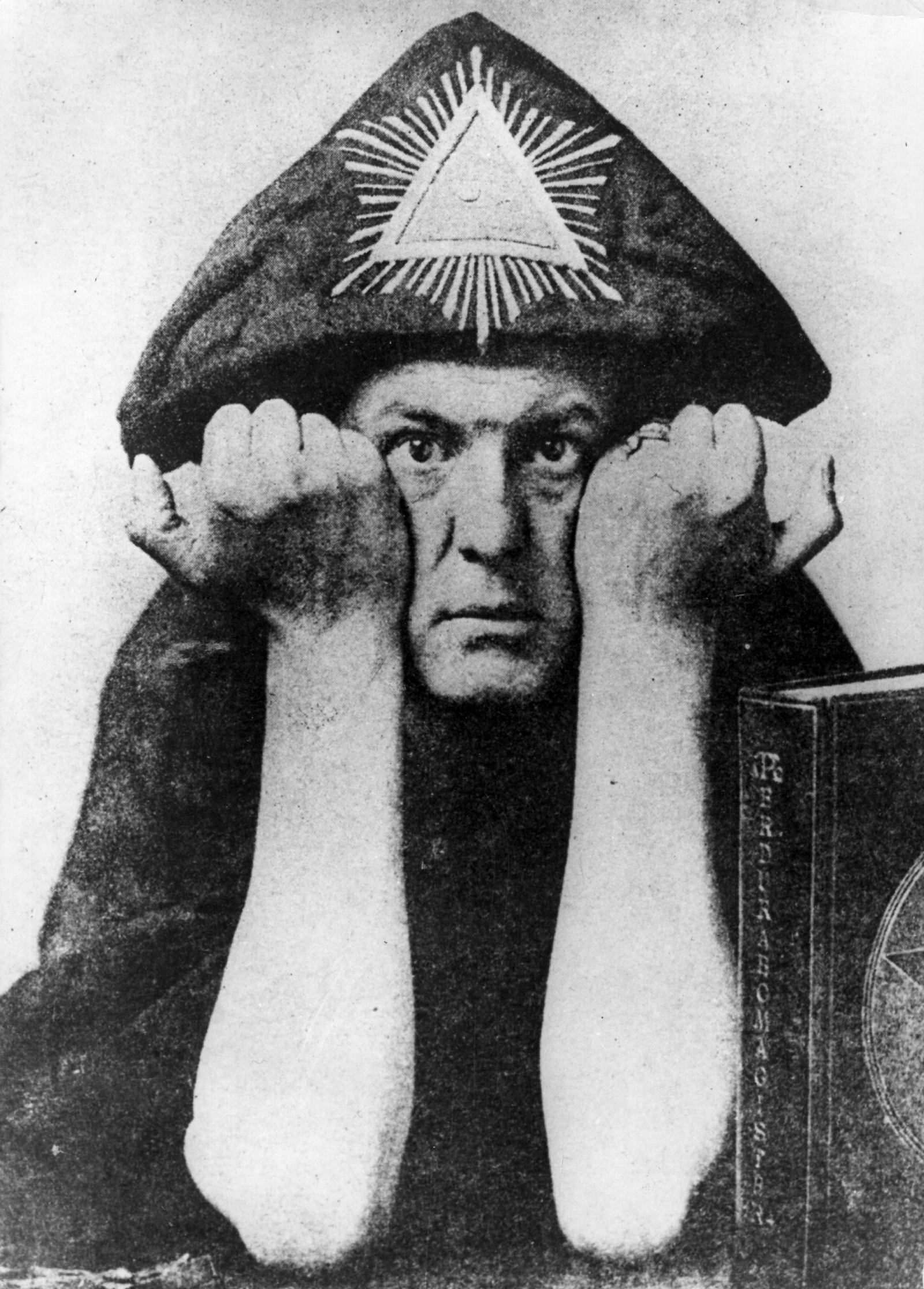
Robert Stark interviews Paul Bingham about Aleister Crowley

crowley

Robert Stark and co-host Alex von Goldstein talk to Paul Bingham about Aleister Crowley

Topics include:

Today Aleister Crowley exists either as an icon of occultism, used by subcultures, derided by others, but few are familiar with his political and philosophical ideas
Kerry Bolton’s series on Aleister Crowley as a Political Theorist, Part 1 and Part 2
Political Platform based on Crowley’s ideas
Julius Evola on Crowley
James J. O’Meara’s reivew of Richard B. Spence’s book Secret Agent 666
Crowley’s religion Thelema
Crowley’s fascination with power structures
Crowley transcended politics and did not fit into either traditionalism or the left
Crowley did not fit into the left for rejecting egalitarianism and mass democracy, and the right for rejecting free markets and traditional morality
Crowley’s Aristocratic individualism, and his belief in an Aristocracy of the creative class
Wyndham Lewis‘s book The Art of Being Ruled, which like Crowley advocated the rule of the creative class
Crowley viewed the masses as spiritualy inferior
Crowley saw capitalism as degrading genuine cultural elitism
Crowley rejecting Marxism, but supported a social safety net to free up the creative class
Crowley’s value of leisure
Crowley came to the same conclusions about economics as the Distributist and Social creditors, who were Traditional Catholics
Distributism and Social Credit are the economic systems most compatable with Aristocratic Individualism
Homo economicus
Crowley’s critique of democracy
Crowley’s environmentalism
Crowley’s interest in Mountaineering
Crowley tested the limits of human nature and practiced what he wrote about
The futurist philosophy is about testing what works
Crowley’s view of the future was that things will collapse and a new brighter future will emerge
Crowley’s erotic poetry series White Stains, and how he practiced the sexual acts he wrote about
Crowley used sexual experimentation to further his intellectual state, but did not advocate it for the masses
Why the individual must have freedom to exist within their own personal boundaries
Crowley’s advocacy of youth colonies, how the elites practice youth camps, and the importance of controlling youth
How male bonding and inter generational relationships are stigmatized for the masses
How Crowley often took the passive role in sexual acts with both men and women
Paul’s point that most people are either sexually dominant or submissive, but that being a switch is a uniquely Anglo trait
Crowley as the original Troll
Paul’s point that if Crowley were alive today he would be disinterested in western politics
Our upcoming show with Paul on Italian Futurism, and how Crowley, Wyndham Lewis, and the futurist had similar ideas, but were fiercely independent from one another

Click Here to download!
Check out Robert Stark’s Artwork


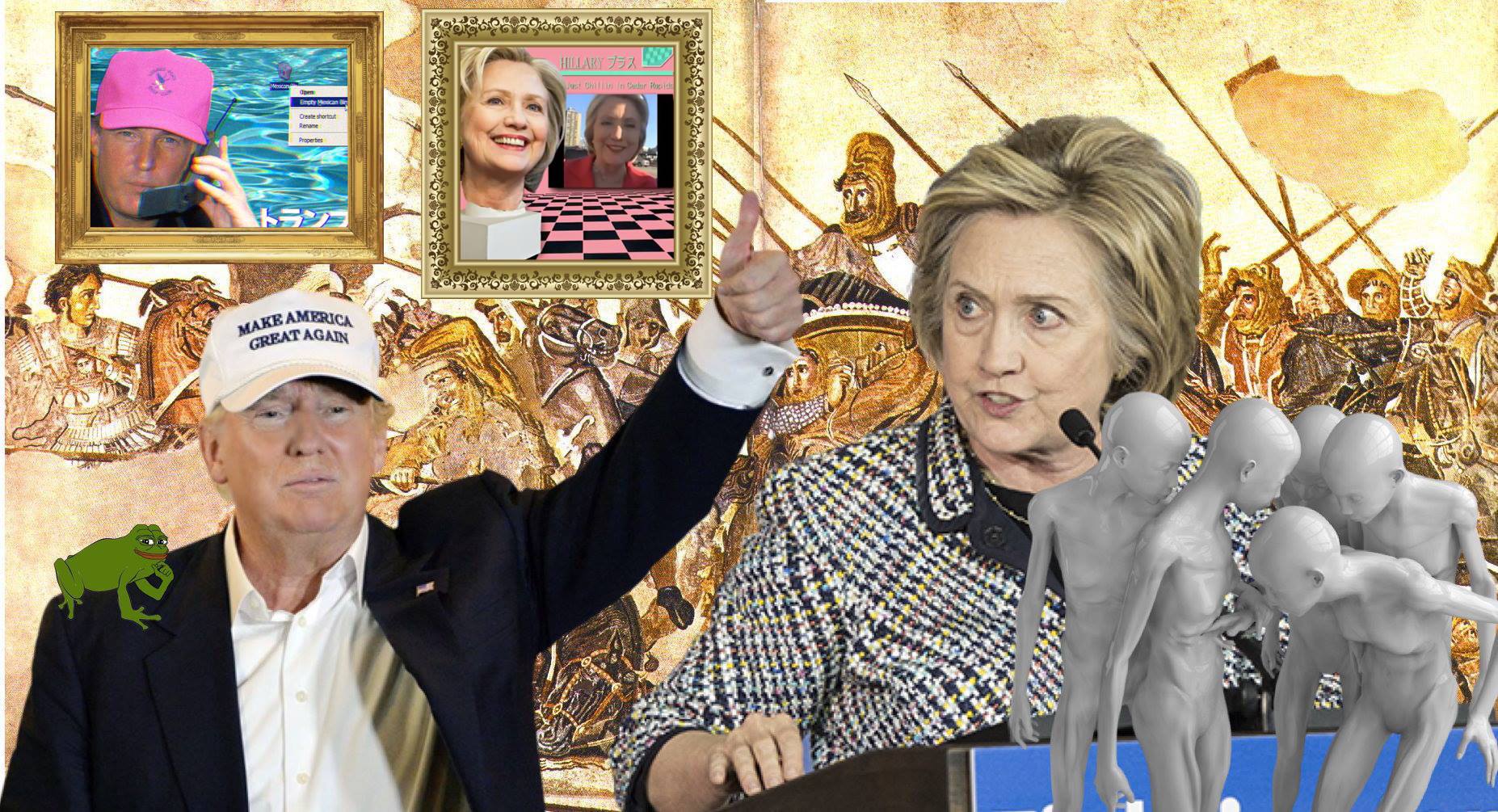
Robert Stark and Alex von Goldstein discuss the first Trump Clinton Debate

trump-clinton-debate


Topics include:

Trump’s controversial and crude style in the GOP primary debates
Trump’s recent meeting in Mexico, where he came off as more refined and presidential
Predictions about the debate, and how Trump’s performance combined both of those styles
How the debate was framed to benefit Clinton
How Trump started out strong, but allowed Clinton to hijack the debate by questioning him about his personal issues
How Clinton was well prepared and scripted, and took low blows against Trump
How despite that, Trump did get his chances to grill Clinton on her political positions and personal scandals
Clinton plays the race card against Trump
How Trump is a Civil Nationalist, but growing white ethnic sentiment is a strong factor behind his support
How most people have already made up their mind on ideological grounds, and the main purpose of the debate’s are to demonstrate who is more competent and presidential
Donald Trump’s strong appeal to working class whites, and how he is the first major candidate to tackle that demographic
The new political realignment including working class white democrats backing Trump, and wealthy establishment republicans backing Clinton
The media narrative that certain voices are legitimate while other illegitimate
Over sensationalism from the alternative media(ex. Alex Jones on Clinton’s Health)
How Trump is not the most articulate speaker, but is able to create an overall message that is effective
How most people are stupid and respond to platitudes and moral arguments, and think in a short time preference
Clinton’s economic speech which touched upon important themes such as income inequality, but did not have any substance
Clinton calls out Trump’s tax cuts for the top 1% which was a valid point
How Trump missed an opportunity when Clinton blamed Republicans for the financial crisis, to support reinstating the Glass-Steagall Act, and pointing out Bill Clinton’s repeal of it
Trump’s Child Care Plan, the Natalist appeal to the Alt-Right, benefits for the ultra wealthy, and appealing to women voters
Trump calls out Janet Yellen and the Federal Reserve
How Trump’s economic policies are a hybrid of supply side economics and economic nationalism
How when Trump is attacked on racial grounds, he has to reply with the law and order rhetoric to appeal to his base
Trump goes after Clinton on the Trans Pacific Partnership and NAFTA
How there was very little discussion of immigration, which is Trump’s key issue
Trump mentions how the DNC screwed over Bernie Sanders, and how some Sanders supporters’ are supporting Trump
The perfect storm for Trump, including the Black Lives Matter Rioting, Islamic Terrorism, and the European Migrant Crisis
How there is a backlash against political correctness among the youth
Clinton grills Trump on the Iraq War for a wishy washy Howard Stern interview prior to the invasion, while he ended up opposing the the war which she voted for
NATO and Russia
How Clinton will likely be more of war hawk than either Trump or Obama if elected
Alex’s point that the conformist masses fall into either the liberal globalist SJW camp, or the free market, police state, patriotard camp
Now that Clinton has attacked Trump personally, that gives him free range to attack her in the next debates


Click Here to download!
Check out Robert Stark’s Artwork


Robert Stark, Rabbit, Alex von Goldstein & The Truth Will Live discuss Hipster Culture

the-truth-will-live-on-hipsters


Topics include:

The origins of Hipster Culture
How in the late 90’s and early 2000’s there were Hipster, Douchebag, and Hip Hop Subcultures
How the original Hipsters were Arty and pretentious, but latter became part of mainstream pop culture, incorporating trashy elements of the latter two groups
Alex’s observation that Hipsters adopted other subcultures out of irony, but latter appropriated them(irony vs. post irony)
The Truth Will Live’s comment that Hipster Culture emerged as a reaction to 90’s Hip Hop Culture
How the original Hipsters were implicitly white, and into things such as environmentalism and anti-consumerism, similar to Rabbit’s Alternative Left
How SJW’s hijacked Hipster Culture
The Truth Will Live tells a story about when she was a feminist, and how she lost interest when she heard feminist apologizing for Third World cultures treatment of women
Intersectionality
90’s Zine Culture
Experimental Noise and Drone Techno Music
The Truth Will Live’s observation that the Punk Scene was often explicitly white
The Truth Will Live’s observation that the more women enter a subculture the more politically correct it becomes
90’s Brit Pop
How Right Wing figure such as Gavin McInnes came out of the Hipster scene, and many Hipsters are now joining the Alt Right
Taki Theodoracopulos, and how being wealthy enables one to express controversial opinions
How political correctness is an ideology of upper middle class strivers, who are trying to prove their status
How even within dissident subcultures there is still pressure to conform to the norms of those groups
Social Sexual Mores
Making the case for traditional mores from s secular scientific standpoint
The Truth Will Live’s Donald Trump story from work


Click Here to download!
Check out Robert Stark’s Artwork


Robert Stark interviews James Howard Kunstler

james-kunstler


Robert Stark, Rabbit, and Alex von Goldstein talk to writer and social critic, James Howard Kunstler

Topics include:

The history of suburbia
James’ theory of history that things happen because they seem like a good idea at the time
How our auto oriented petroleum based society is unsustainable
How bad urban planing has negative psychological and cultural implications
The role of zoning laws, and how zoning can both encourage and prevent suburban sprawl
The future of suburbia, how some will be retrofitted into walkalble communities, while others will be abandoned
The New Urbanist Movement
Mass immigration and overpopulation
Why James does not view skyscrapers and hyper density as viable alternatives to suburbia
Robert’s point that tall structures can have aesthetic value, and how James acknowledges that the early wave of skyscrapers(ex. Singer BuildingWoolworth BuildingManhattan Municipal Building) were beautiful structures but historical flukes
How European cities provide the ideal model for urbanism
Examples of sustainable American cities include Portland, Oregon, Charleston, South Carolina, and Savannah, Georgia
Mass Transit, and why James favors investing in existing rail infrastrusture over new high speed rail
The Streetcar suburb, and how they provide a model for New Urbanism
James’ point that even with alternative energy and technological innovation, we still have to downsize and localize our society and economy
How peak oil will lead to economic and political decentralization
How Peak Oil will make Globalization unsustainable
The future of China and the Arab Gulf States
Pre-War Japan as the best example of an advanced civilization without industrialization
The scarcity of water in the future, and how the inland water system will regain it’s value
Historic Preservation, how the movement was started in the 1960’s in response to the demolition of Pennsylvania Station in NYC, and the debate about what should be preserved
Rabbit makes the case for mid century modern
Capital scarcities in the future, and how mass development is dependent upon the financial system
James’ four book series set in a post economic collapse America, the World Made by Hand


Click Here to download!
Check out Robert Stark’s Artwork


Robert Stark interviews Scott Jackisch

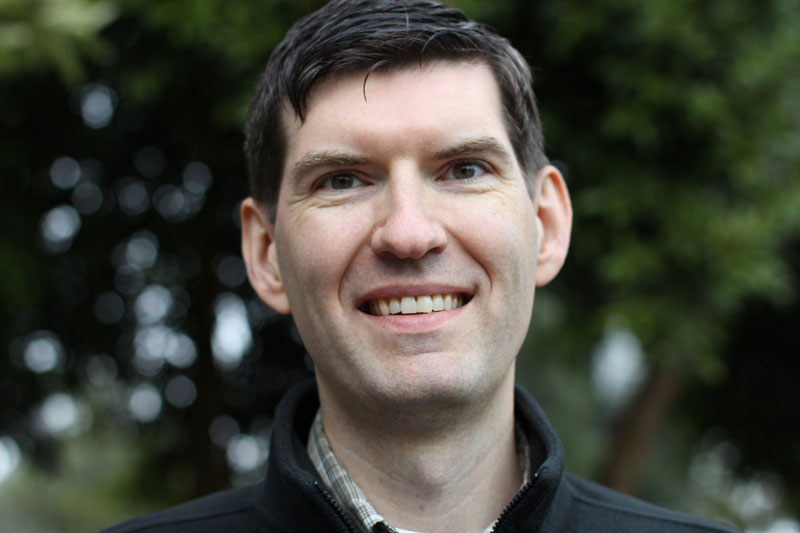
Oakland Futurist


Scott Jackisch


Robert Stark and co-host Rabbit interview Scott Jackisch. Scott is an IT consultant located in Oakland, CA. He blogs at The Oakland Futurist and runs the East Bay Futurists meetup.

Topics include:

Scott’s interest in futurism and science fiction writers including Robert Heinlein, Isaac Asimov, and William Gibson
Scott’s futurist meetup and how there is a strong interest in futurism in the San Francisco Bay Area
How in the modern era people are isolated, and how meetups can fill in that void, and create new communities
How the meetup itself is not political, but rather an open discussion on futurism
The different political factions within futurism including liberals, libertarians, and Neoreactionaries
Scott’s critique of Neoreaction, how his main disagreement is over their rejections of progress, but can sympathize with their reaction to extreme political correctness
Rabbit’s point that he got interested in Neoreaction because the idea of people being able to form their own societies appealed to him, but was turned off by the extreme traditional views
Scott’s political views, and how he is basically a Centrist and Pragmatist
Why Scott accepts Realpolitik, which is a system of politics or principles based on practical rather than moral or ideological considerations
Transhumanism
Scott’s series The Robot Lord Scenario, which he plans on turning into a novel
Trends in warfare,  how the invention of the gun leveled the playing field, but that automative weapons will enforce inequality
Daniel Suarez’s novel Kill Decision
Economic automation and it’s implications
Economics, whether capitalism is necessary for innovation, and how a functional economic needs both capitalism and socialism
The Bay Area’s housing crisis, NIMBYism, and where to build new housing
Vertical Living and urban agriculture
Retro Futurism, dystopian and utopian visions of the future
How science fiction writers can provide narratives for engineers to build their visions(ex. Elon Musk and the Culture series)
The role of sociopaths in society, and how power generally gets concentrated by sociopaths
From a realpolitiks perspective how do you take power away from people in power that are causing harm?
Scott’s message for people to listen to each other instead of demonizing the other side


Click Here to download!
Check out Robert Stark’s Artwork


Robert Stark interviews Laura Foote Clark of Grow SF

laura-foote-clark


Robert Stark joined with Rabbit and Krishan Madan interview Laura Foote Clark. Laura is the president of GrowSF, which advocates for affordable and market rate housing in the San Francisco Bay Area.

Topics include:

The Bay Area’s lack of affordable housing
How the housing crisis particularly effects millennials
How integrated public transit provides better access to affordable housing
The severity of the housing crisis, and how a massive increase in housing is needed just to sustain current demands
The miss conception that there is no space to grow in San Francisco, and the twitter series wasteOfUrbanSpace
Mega Developments in the Bay Area, and Laura’s point that focusing on specific projects can distract from the overall housing shortage
Where to build new housing
SF grants density bonuses to affordable housing developments
Micro Apartments
What Silicon Valley Would Look Like if Tech Companies Built Themselves Cities
Laura’s point that if the Silicon Valley became a more urban environment it would ease the demand for housing in San Francisco
The role that suburbs play in the Bay Area’s housing shortage
How the lack of new housing in cities encourages suburban sprawl
The trend in preference for urban over suburban living among millennials
How Environmental organizations such as the Sierra Club are divided on the housing issue
Bay Area’s Greenbelt Alliance and New Urbanism
California Proposition 13
Proposition C: San Francisco Affordable Housing
Rent Control
Why Laura would like to see a unified zoning plan for the Bay Area
Whether there is a limit on how many people the Bay Area can accommodate
How the housing issue is the main political divide in the Bay Area
Krishan’s point that tax cuts effect the rich, welfare the poor, but housing can be the political issue of the middle class
The importance of getting involved in local politics


Click Here to download!
Check out Robert Stark’s Artwork


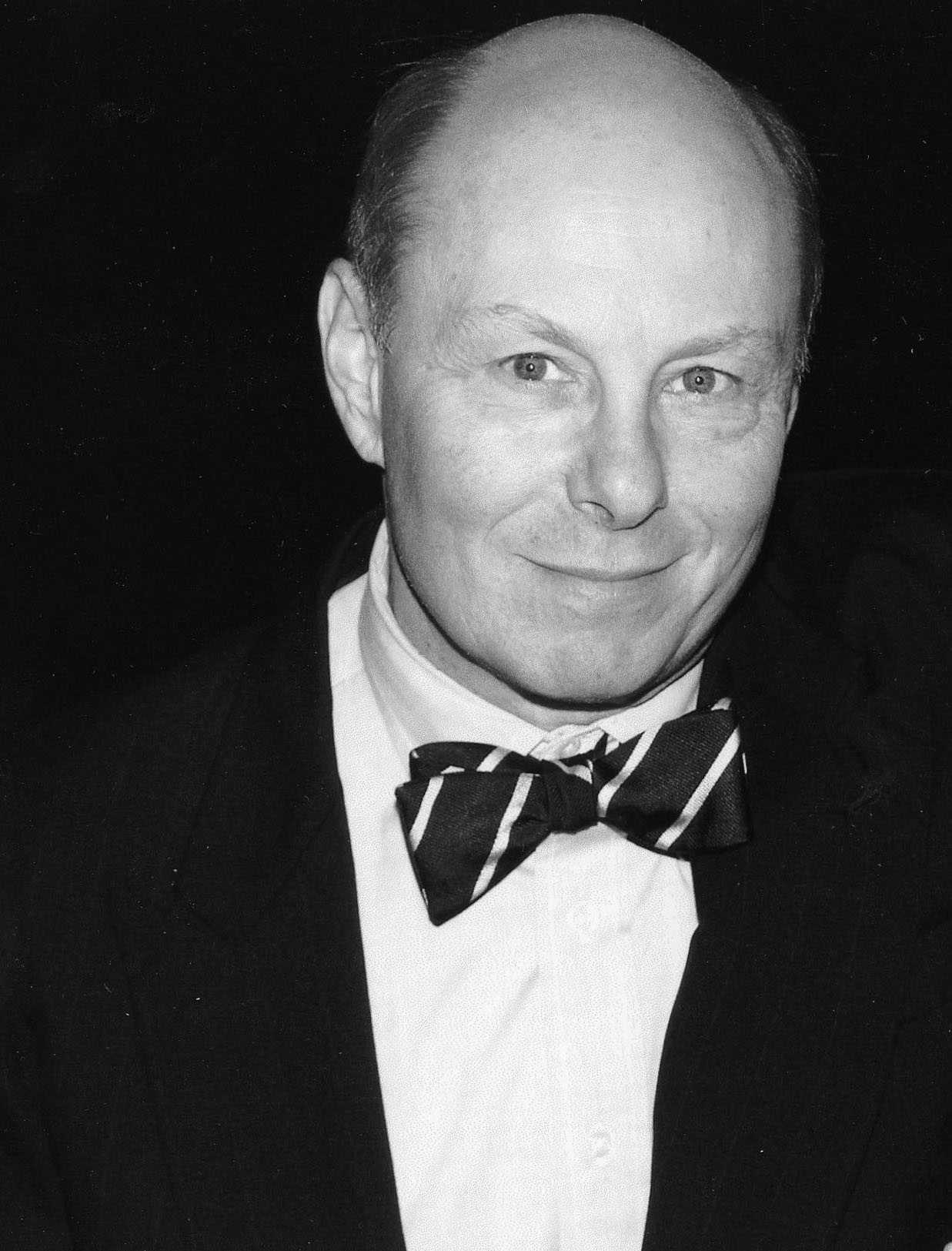
Robert Stark interviews Ray Sawhill about Journalism

Ray Sawhill


Robert Stark and co-host Alex von Goldestein talk to Ray Sawhill. Ray is a retired journalist who lives in Santa Barbara, CA. He blogs at Uncouth Reflections as Paleo Retiree

Topics include:

Ray’s career as an Arts, Culture, and Film journalist at Newsweek
How Ray stumbled into journalism, and how that was not his original passion in life
How artist and writers often get into journalism to make a living
The era of the journalist as the gatekeeper
Censorship in journalism
How the internet is changing journalism
The effects of the internet on cultural innovation
How the internet both enables creative types and non conformist to get their views across, while enforcing conformity for the rest
The impacts of the internet and social media on millennials
The internet and the concept of infinite knowledge
Ray started online blogging at 2Blowhards, because he wanted a platform for people with interesting cultural views who did not embrace the political correctness of the culture scene
Arts & Letters Daily
Ray writings for Salon.com, how he interviewed Roger Scruton, and Thomas Sowell, and how Salon was much more open minded back than
The concept of good taste, and Ray’s observation that the wealthy and cultural elite form their taste in consensus
Ray’s point about people who travel is that they don’t come home and say why doesn’t their home town resemble the places they visit
Ray’s involvement the Punk Rock scene in New York in the 70’s and 80’s
How the Avant Garde was a product of technological limitations
The yippie movement in the 60’s as a precursor to the Alt Right troll culture
How the left counter-culture got absorbed into the establishment and the Alt Right is the new counter-culture
How the culture has stagnated and people are looking to the past for inspiration
Ray and his wife Polly Frost co-produced a webseries THE FOLD
Vaporwave & MACINTOSH PLUS
Sam Hyde’s new World Peace show on Adult Swim
How the 1970’s are considered to be the peak of American Cinema
Films including, Taxi DriverDirty Harry, and Falling Down
How art should transcend politics


Click Here to download!
Check out Robert Stark’s Artwork


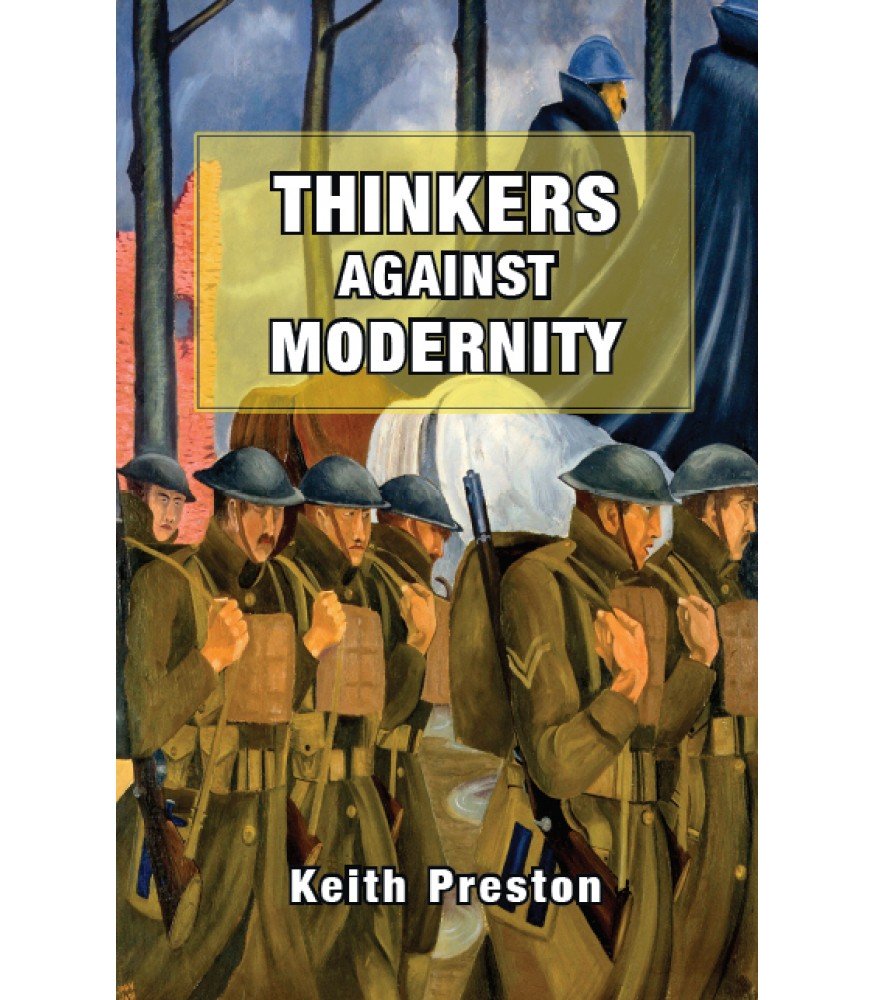
Robert Stark interviews Keith Preston about Thinkers Against Modernity

thinkers-against-modernity


Robert Stark and co-host Alex von Goldstein interview Keith Preston about his book Thinkers Against Modernity

Topics include:

How the book is an examination of thinkers critical of modernity from a value neutral perspective
How Keith is influenced by the intellectual tradition of the enlightenment, yet finds value in traditionalist critiques of modernity
Julius Evola as the purest critique of modernity
How the Right tends to have a pessimistic view of the present and idealizes a particular era of the past(ex. Julius Evola the 8th Century BC, Nietzsche the Sophist era in Ancient Greece,  Traditional Catholics the Middle Ages, and mainstream conservatives the 1950’s or Reagan Era)
Defining characteristic of the Right include rejection of social change, egalitarianism, and universalism, and a fixed view of human nature
Nietzsche’s point that ideologies become new religions, and how the modern politically correct left is a new moralistic religion rather than genuine liberalism or Marxism
Aleister Crowley’s aristocratic individualism, and his view that capitalism and mass democracy degraded a genuine cultural elitism
The Distributist G.K. Chesterton and Hilaire Belloc, their views on the distribution of capital, and their critic of capitalism as degrading traditional values
Carl Schmidt’s view that democracy was incompatible with liberal individualism
How Carl Schmidt subscribed to the realist school of though and viewed the United States as having an ideologically driven foreign policy
The United States as a nation founded on Classical Liberalism and the Enlightenment
The European New Right, how it was founded in the late 1960’s as a counter to the New Left, fusing aspects of the New Left with the conservative revolution of the interwar period
How the New Right tried to appeal to the left on issues such as anti-globalization, anti-consumerism, anti-imperialism, and environmentalism
The New Right’s critique of political correctness, feminism, and mass immigration as being products of capitalism
Noam Chomsky on capitalism and anti-racism
The American Alternative Right, how it is influenced by the European New Right, and how it is different
Guillaume Faye’s Archeo-Futurism and futurist thought on the right


Click Here to download!
Check out Robert Stark’s Artwork