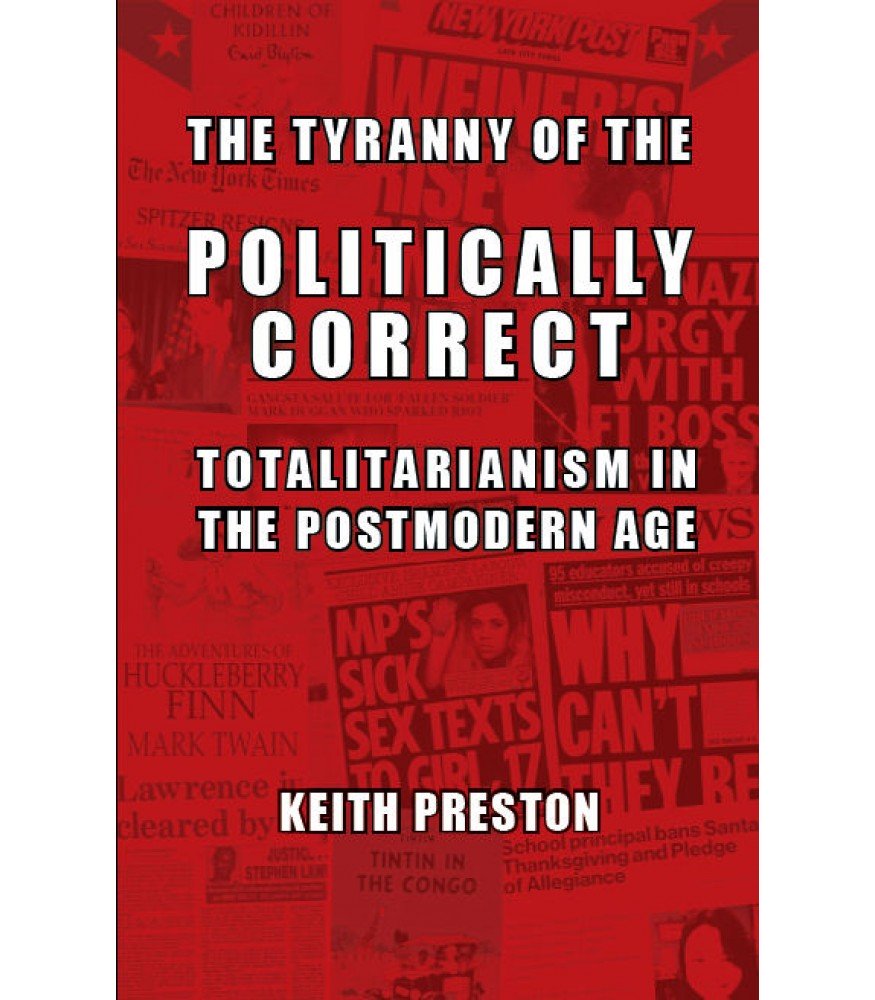
The origins and history of political correctness
Keith’s first exposure to political correctness when he was active on the far left
How influences behind political correctness include the Frankfurt School, the Privilege Theory, Maoism, and Progressive Christianity
How political correctness started out on the fringes, infiltrated key institutions, and become the dominant ideology of the establishment
How every state and ruling class has an ideology to justify it’s power
How political correctness relies upon dehumanizing it’s opponents
How political correctness uses the Police State to enforce it’s agenda
How the liberal establishment has abandoned traditional progressive causes such as civil liberties, non-interventionism, workers rights, and the environment, and how that leaves an opening for opposition movements to take op those causes
How police brutality is a major problem but the left selectively chooses cases that push their agenda
Robert Stark and co-host Alex von Goldstein interview Radix Journal editor Richard Spencer
Topics include:
Creating an Alt Right/Safe Space at UC Berkeley(Video of the event)
Mocking the SJW meme of a safe space, which is a zone immune from “offensive speech”
The concept of a meme as a cultural gene
How creating a culture of irreverence has made a bigger impact than intellectual causes
Donald Trump’s role as a meme carrier and political bulldozer The death of Conservative Inc, Trump’s role in it’s demise, and what will replace it
The mainstreaming of The Alt-Right
6 Degrees of Richard Spencer Critical theory
How Bay Area Guy is one of the Alt-Right’s few Bernie Sanders supporters
How Bernie Sanders was the only candidate to not attend AIPAC , and Bay Area Guy’s view that the Alt-Right gave Trump a free pass for pandering to AIPAC and the Neocons
How the most crucial aspect of Trump’s campaign is his role in expanding the overton window and undermining the establishment
How Trump supporters are primarily anti-establishment rather than conservative ideologues How Donald Trump is running to the left of Hillary Clinton and whether he will appeal to disaffected Sanders supporters Red State article about Trump democrats “ruining” the GOP, who are described as racist democrats who want handouts for white people
The decline of Conservative Inc.
How the political coalitions on the left are also breaking downs
How Bernie Sanders undermines the Neoliberal/Social Justice Warrior Alliance
Thomas Frank’s(What’s the Matter with Kansas? author) new book Listen, Liberal: Or, What Ever Happened to the Party of the People Social Justice, Social Darwinism, and the Curious Case of SF’s Housing Squeeze
Steve Sailer’s article San Fran Whitening Plan
The civil war among the Bay Area’s left on the housing issue, including wealthy NIMBY‘s, anti-capitalist anti-gentrification activist, and pro-density groups such as BARF
Michael Hudon’s book Killing the Host about the FIRE economy, based on the Finance, Insurance, and Real Estate sectors
London’s new Muslim mayor Sadiq Khan, and how Bay Area Guy views him as another identitarian neo-liberal like Obama
The California Senate Race and how the Democratic front runner Kamala Harris also fits that mold
Why Bay Area Guy views the Democratic runner up Loretta Sanchez as preferable to Harris
Senate Candidate Ron Unz’s Radical Centrist Platform, which combines the best aspects of the left, right, and libertarianism, and how Radical Centrism is an emerging trend in politics
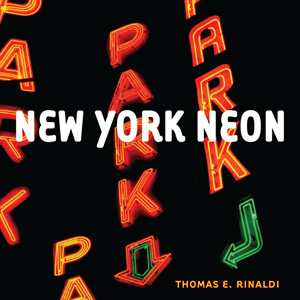
How Thomas got interested in Neon growing up, and how he noticed it’s decline
His project charting and photographing existing Neon Signs before they disappear
The History of Neon, how it was invented in Victorian England in 1898, and latter made into signs by French Scientist Georges Claude
How the peak of Neon was in the late 1920’s and 30’s(Art Deco Era), but already started to see a decline in the 40’s
How Neon was originally used by Corporate chains but latter delegated to small businesses Churches & Neon
How Neon was originally seen as glamorous but latter became associated with seediness
Neon in Cinema, contrasting Dick Powell’s glamorous Gold Diggers Of 1933 – The Shadow Waltz and his 1944 detective film Murder, My Sweet, which depicts Neon as seedy
The 1946 film It’s a Wonderful Life which also uses Neon to depict seediness Hotel Neon Signs and and Hotel Neon in the Film Noire Genre
Neon in future films including the utopian 1927 film Metropolis and the dystopian 1982 film BLADE RUNNER
Incandescent Bulb Signs
The history, decline and revitalization of Time Square, and how there are very few Neon Signs left
How Neon has become replaced by LED Signs
The myth that Neon signs are not eco friendly
Historic preservation issues regarding Neon Signs New Neon Signs designed in the Vintage style Neon in San Francisco and the book San Francisco Neon
Las Vegas, how newer casino’s have rejected Neon, and how older signs are preserved at the Neon Museum
The popularity of Neon in Asian cities
How there is a renewed interest in Neon
Artist who depict Neon in their work including Robert Stark
Neon in 1960s Pop Art
The importance of patronizing businesses that have Neon Signs
Robert Stark and co-host Alex von Goldstein talk to Ron Unz about his campaign for US Senate in California. Ron Unz is the editor of The Unz Review and his campaign website is unzforsenate.org. He is also chairman of Free Harvard/Fair Harvard, a slate of candidates running for the university’s Board of Overseers on a platform of immediately abolishing undergraduate tuition.
Science Fiction writer Robert A. Heinlein was an influential and controversial author of the genre in his time. Robert Stark and Rabbit discuss his work as well as his philosophical and political views.
Topics include:
How Heinlein is difficult to pigeon hole ideologically, having been associated with leftism, libertarianim, and fascism
How one can interpret his with their own ideology(ex.libertarians: The Moon Is a Harsh Mistress, Hippies: Stranger in a Strange Land)
Rabbit’s view that Expanded Universe best demonstrates Heinlein’s outlook The Moon Is a Harsh Mistress, which is about a lunar prison colony revolt
Counter-Currents article Heinlein for Right-Wingers
Heinlein’s Farnham’s Freehold about whites being enslaved by blacks in the future and how the book has been interpreted as being both racist and anti-racist Heinlein’s “contradictory” views on race
How Heinlein was an advocate of sexual liberation Sex in Heinlein’s work and how he explored sexual taboos such as incest
Heinlein’s rejection of liberal democracy, and his belief that people must prove they are vested in society in order to participate in democracy Heinlein’s economic views and advocacy of Social Credit
Heinlein’s support for space exploration and belief in an infinite Universe
Heinlein’s Red Planet about a colony on Mars
Heinlein’s experiences with censorship
The vision of the future in Mid Century Science Fiction versus that of today
Mid Century Space Age aesthetics Trad Youth’s critique of Rabbit’s Alt Left
Greg Johnson’s West Coast White Nationalism and how it is similar to the Alt Left
How Rabbit was part of the early hipster scene and how he saw it’s decline into trashy pop culture
Robert Stark and co-host Alex von Goldstein talk to independent presidential candidate Scott Smith. With a background in Wall Street finance, Scott Smith is a serial entrepreneur, having co-founded companies in such diverse industries as agriculture, finance, educational media, and technology. He began his career as a pioneer grower of Sunburst tangerines, helping to develop a market for the fruit and establish the variety’s popularity. In the 1990’s Scott was an early pioneer in structured finance, developing the model for conduit financing. His model was rapidly adopted by Wall Street and used for securitizing many forms of debt. His campaign website is Scott Smith 2016
Topics include:
Scott Smith’s plan to abolish the income tax, pay off the deficit without cutting social programs
How Scott’s economic proposals adress both the concerns of the left and the right
Scott’s support for a Financial Settlements Tax to replace the income tax
How under Banking 2.0 you would no longer pay interest on loans, so loans would cost less than they do today
How Banks would obtain money for loans directly from the Fed at no interest, so little banks would be able to compete with big banks, helping to reduce service fees for customers
The need for a basic citizens income and how to implement it without using tax revenue and creating inflation Healthcare, how we pay more money to insurance companies than we do to healthcare, and Scott’s solutions Immigration Scott’s plan to legalize drugs and putting the government in charge of producing and selling drugs
Scott’s book The Ten Financial Commandments
How to explain financial policies in layman’s terms