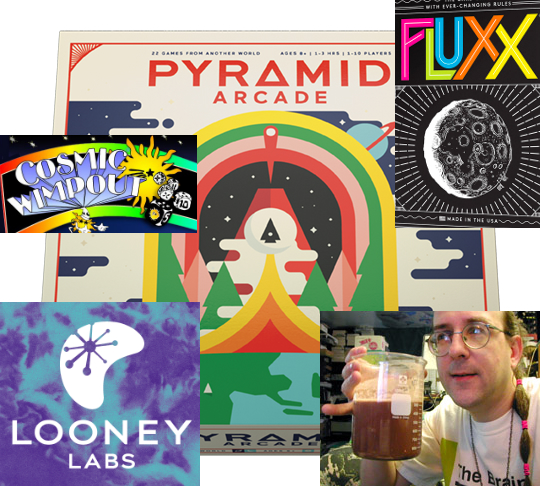
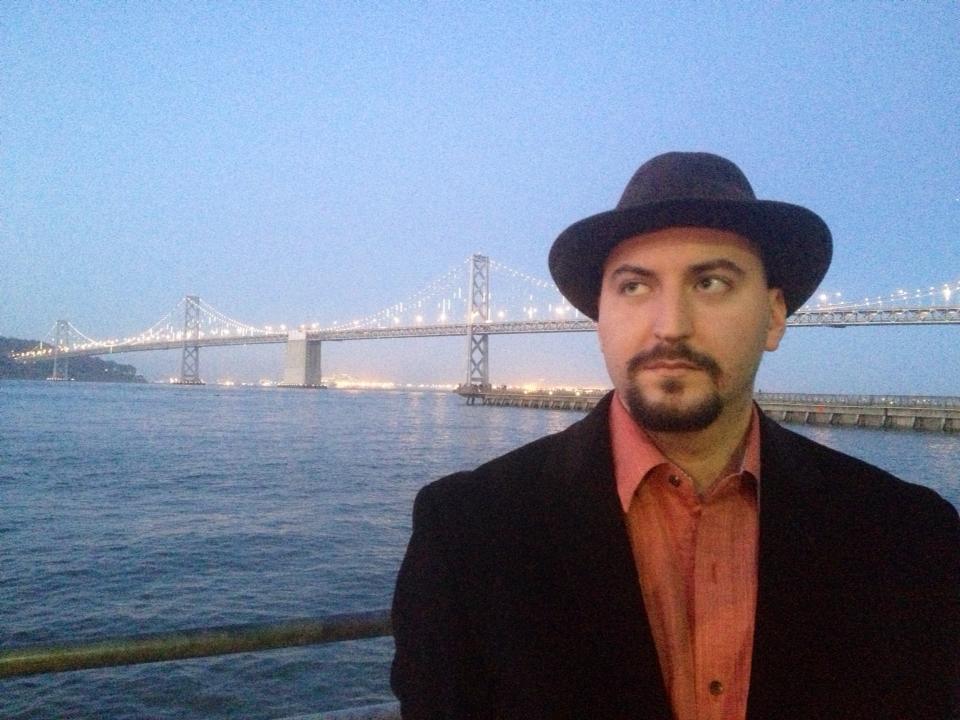
Robert Stark and co-host Pilleater interview Andy Looney. Looney is a game designer, computer programmer, and writer. He operates Looney Labs and has designed Fluxx The Card Game. His latest game is Pyramid Arcade.
Topics:
Looney’s interest in games, the card game Nuclear War
Looney’s games Fluxx The Card Game and Icehouse
Icebreaker for 3DO
Looney’s work for NASA
The origins behind Icehouse, Looney’s short story “Icehouse.”
The history behind Cosmic Wimpout, The Grateful Dead
Cosmic Encounter, Killer Bunnies and The Quest for The Magic Carrot
Looney’s advocation for marijuana legalization.
Pyramid Arcade: 22 games with pyramids! Homeworlds. Stonehenge
Looney’s novel, The Empty City
The art of Aquarius, Peter Max, Looney’s cartoons
The influence of drugs upon game design
Tabletop board game culture vs. Hippy culture
Looney’s card game Chrononauts, Back to the Future, The Butterfly Effect
Games designing as fine art. Players becoming apart of the art piece, Art games
Retro Futurism, Andy’s favorite genre which is the 1930’s Deco Machine Age, Metropolis, James Turrell
Meta-games, Virtual Reality, Conventions
The debut of LooneyCon
Richard Garfield’s Characteristics of Games
It is no secret that gambling has come a long way since the 1930s. You wouldn’t have found people playing casino games on sites like find fair casinos back in the day. But of course, times change and nothing stays the same.
Online gambling and websites such as www.norgescasino.com/ have completely changed the betting landscape. But what was really going on behind the scenes in some of the iconic Las Vegas casinos back in the day? Lynn Zook runs the website Classic Las Vegas, and Produced an hour-long, first person narrative documentary on the history of Las Vegas entitled “The Story of Classic Las Vegas.” Of course, the story of these classic casinos lives on today through modern gaming sites like vera john slots where the classic games one would expect to see in the various casinos of Vegas are there for all to enjoy.
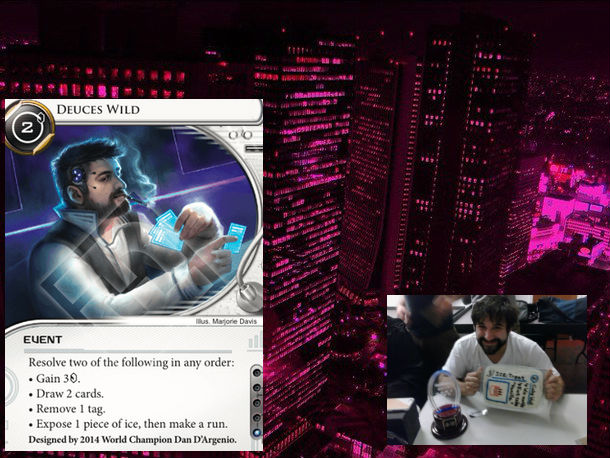
Robert Stark and co-host Pilleater interview Dan D’Argenio. Dan is a two time Android: Netrunner World Champion from 2014 to 2015. He writes on stimhack, post videos on youtube, and plays Netrunner almost all the time.
Topics:
Dan’s interest in Android: Netrunner, his success in the game
The origins of Netrunner, the game compared to Magic: The Gathering
The collectible card game culture of Netrunner, the structure of the tournament scene
The Living card game vs. The CCG format, the value of cards and collecting
Cyberpunk vs. Vaporwave aesthetics, Runner vs. Corporation, Philadelphia cyberpunk aesthetics
The influences of anime, cyberpunk, vaporwave, in Netrunner
The philosophy behind cyberpunk and vaporwave, consumerism, internet culture
Cards in Netrunner related to Cyberpunk, Tron, Blade Runner, Akira, Ghost in The Shell
Fuckbois using Data Leak Reversal Controversy
Netrunner Cube and drafting cards
Competitive players vs. Casual players
The art of Android: Netrunner
The meta-game, Netrunner culture, playing Netrunner at cool places
Netrunner deck builders, Stimhack, Dan’s streaming and decks
Music while playing Netrunner, burn-out while playing Netrunner
Getting new players into Netrunner
Dan’s shirtless tees, Philadelphia’s weather other hobbies then Netrunner
Robert Stark and co-host Pilleater interview Alexuu-san. Alex is an artist that draws a lot of Patalliro! and The King of Fighters yaoi art. She has a Twitter, Soundcloud, Facebook, and Tumblr.
Topics:
Alex’s interested in the anime Patalliro and King of Fighters
The American Patalliro fanbase
The Smokey Violet fan tumblr about Maraich Juschenfe
Mineo Maya’s art, the aesthetics of Patalliro, art nouveau
The controversy behind Patalliro, being the first yaoi anime ever
Booru websites, Danbooru, Gelbooru, Hentai art similar to what you might find on www.cartoonporno.xxx and anime search engine, Ganguro vs. Gyaru fashion
Favorite Patalliro episodes
Alex’s Ask Maraich Tumblr Page
The “Asian Aryan” aesthetic to Patalliro’s fantasy kingdom, The Legend of Zelda
How anime art will become real and will shape the people of the future, Asian-Aryanism
TThe recent stage play for Patalliro in Japan
The pornographic nature of Patalliro Kaze to Ki no Utalle Art Nouveau influence to Patalliro and Kaze to Ki no Uta, Czech artist Alphonse Mucha
Robert and Pilleater’s art and novels
Kero Kero Bonito, Mitski, Clover & Sealife, Asian-Aryan aesthetics in music
Pilleater’s documentary about sexuality in Star vs. the Forces of Evil
My Life as a Teenage Robot, Mighty B!, Bee and Puppycat, Cartoon shows for adults like animehentaivideos.xxx which are strictly aged 18 and over.
The cartoon lifestyle evolving towards Asian-Aryanism, The Anime Right, Kappa Mikey
Mineo Maya’s daughter retweets Alex’s art tweet, Maya’s interesting personality
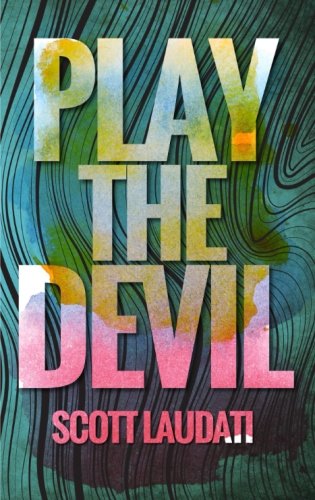
Scott’s book, Play The Devil
His poetry book, Hawaiian Shirts In The Electric Chair
New Jersey, College Education, and Politics
Jack Kerouac, Hunter S. Thompson, Sam Pink
Doldrum suburbs,mundane existence, and nihilistic working
Millennial economic despair
Scott’s poem about being 30, “My 30th Birthday,” and the Quarter-life crisis
New York vs. LA, Youth Culture, expensive living
Trump, Hillary, Alt-left positions
Scott’s music, American INC.
Scott’s music videos, “Stony Hill,” “A Garden East Of Eden.”
Animals and pets, Dogs
“Waiting In Line for the NOFX Book Signing.”
“Super Mario Brothers, Reptilian Rape and the Hollow Earth Theory.”
Tim and Eric – Film School (Lobsters on film)
Punk bands
Staring into the Sun, Sungazing, cover art
Postcard art
The publishing industry and self publishing on Lulu
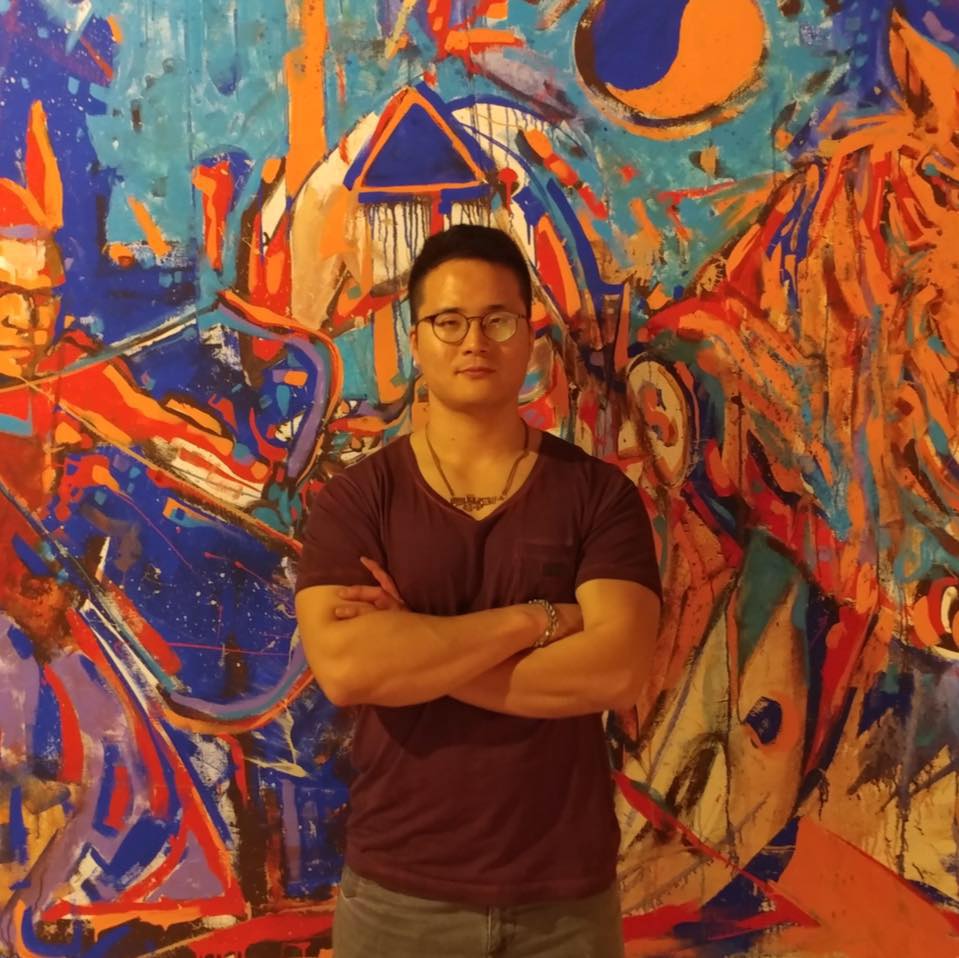
Robert Stark and co-host Pilleater interview Arthur Kwon Lee. Arthur Kwon Lee is a Korean American painter. Lee is also an educator and social critic. Lee received his Bachelor of Fine Arts from the Corcoran School of Art + Design. Lee’s paintings have been exhibited in Italy’s Gallery of San Carpoforo, the Skyline, Gallery 31 and the Corcoran Gallery of Art. Lee is currently working out of RONIN浪人STUDIO, Washington, DC.
Topics:
Arthur’s history in painting
Arthur’s artistic inspirations include Joan Mitchell, Hans Hofmann, Willem and Elaine de Kooning, Vincent van Gogh
Arthur’s Korean background and how the arts are viewed in Korean culture
Modernism vs. Post-modernism, and Medium Specificity & the Post-Postmodernist Conunbrum
Defining good art, trusting your gut, versus articulating work on aristic principles, and the lack of decipline in art today
Arthur’s Philosophical views and influences
Psychoanalytical and ecological themes Robert Stark’s Paintings and Pilleater’s art
The echo chamber in the academia institution
Arthur’s Prometheus series and the archetype of the Masculinity
Christina Hoff Sommers’ The WAR AGAINST BOYS
Beauty, standards, and shaming
Tim Biskup and West-Coast low-brow art
Digital vs. Analog art, Marshall Mcluhan
Eastern vs. Western art Arthur’s interview with Luke Ford
Phillipe Rushton, reproductive patterns
The leftist takeover of the art world and Identity politics in the art world
Arthur’s iconoclast politics
Whether artist should mix their art and politics
Milo’s right-wing Performance art
Advice for artist to succeed economically, and the importance of finding a niche
The Hollywood imagery and outsider stereotypes of LA
The history of LA
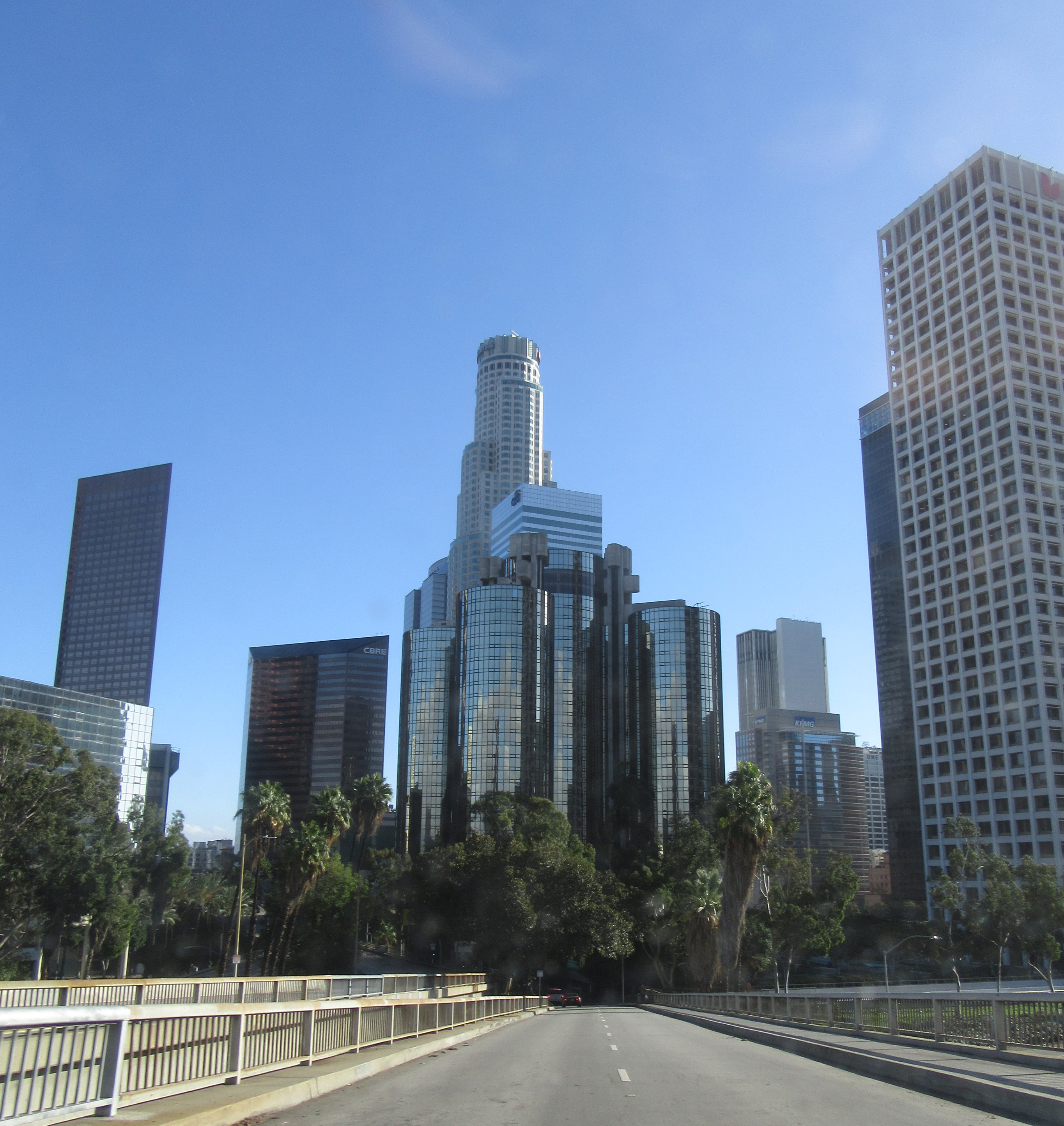
How LA’s urban core is spread out over a large geographic area from Santa Monica on the Coast to Downtown LA
Robert’s disclaimer that the photos capture the best of LA, but that most of the spaces in between are unappealing due to the cities sprawl
LA’s transit system
South Central LA
West Hollywood, and Rabbit’s experience living there
Downtown LA, the gentrification of the historic core, the grittiness and vintage signage of Broadway, and the Serial Killers Who Haunted The Cecil Hotel
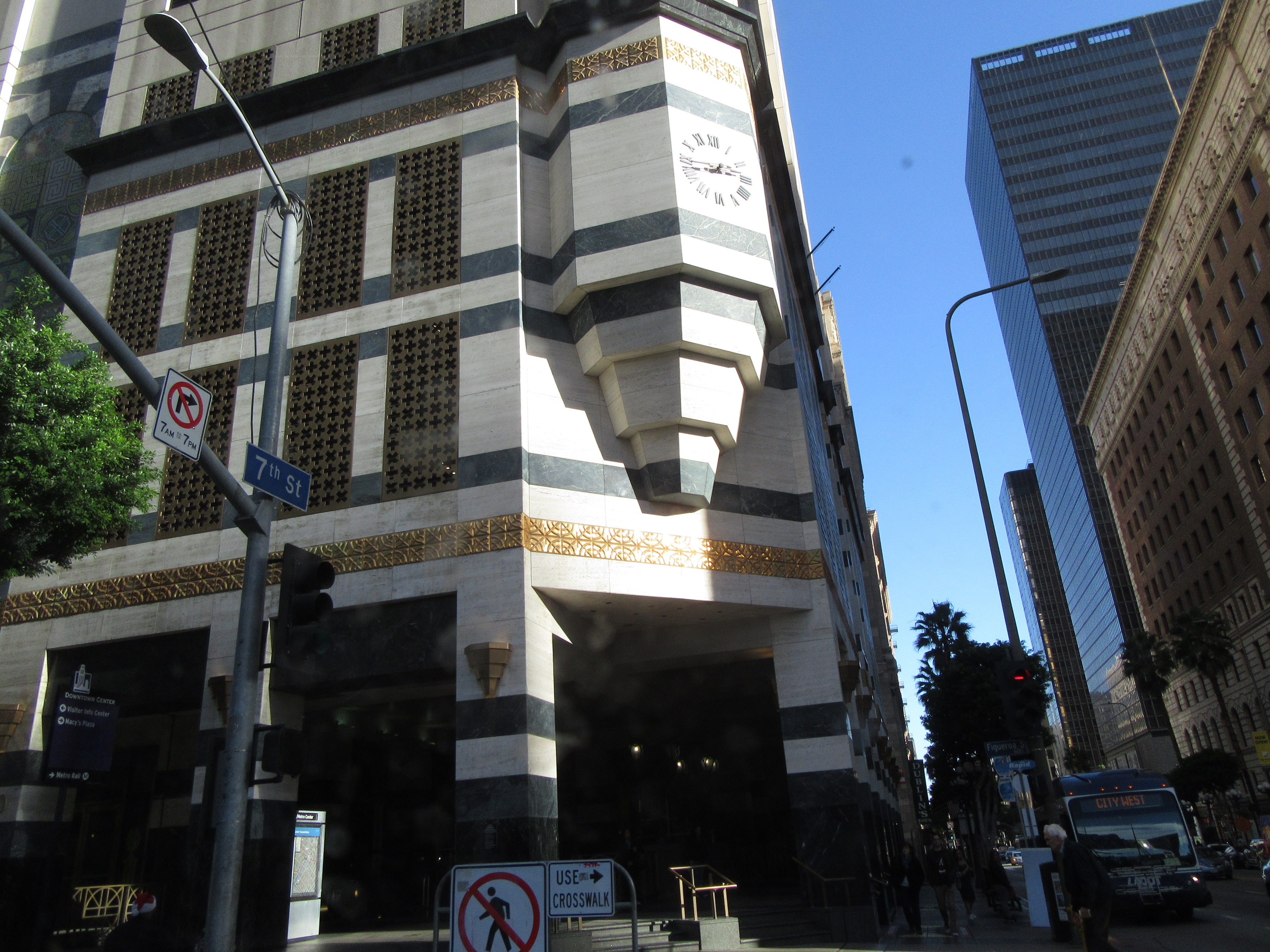
Downtown LA’s architecture including John Portman’s Bonaventure Hotel, and the the 80’s Art Deco revivalHome Savings Building where Charles Lincoln worked
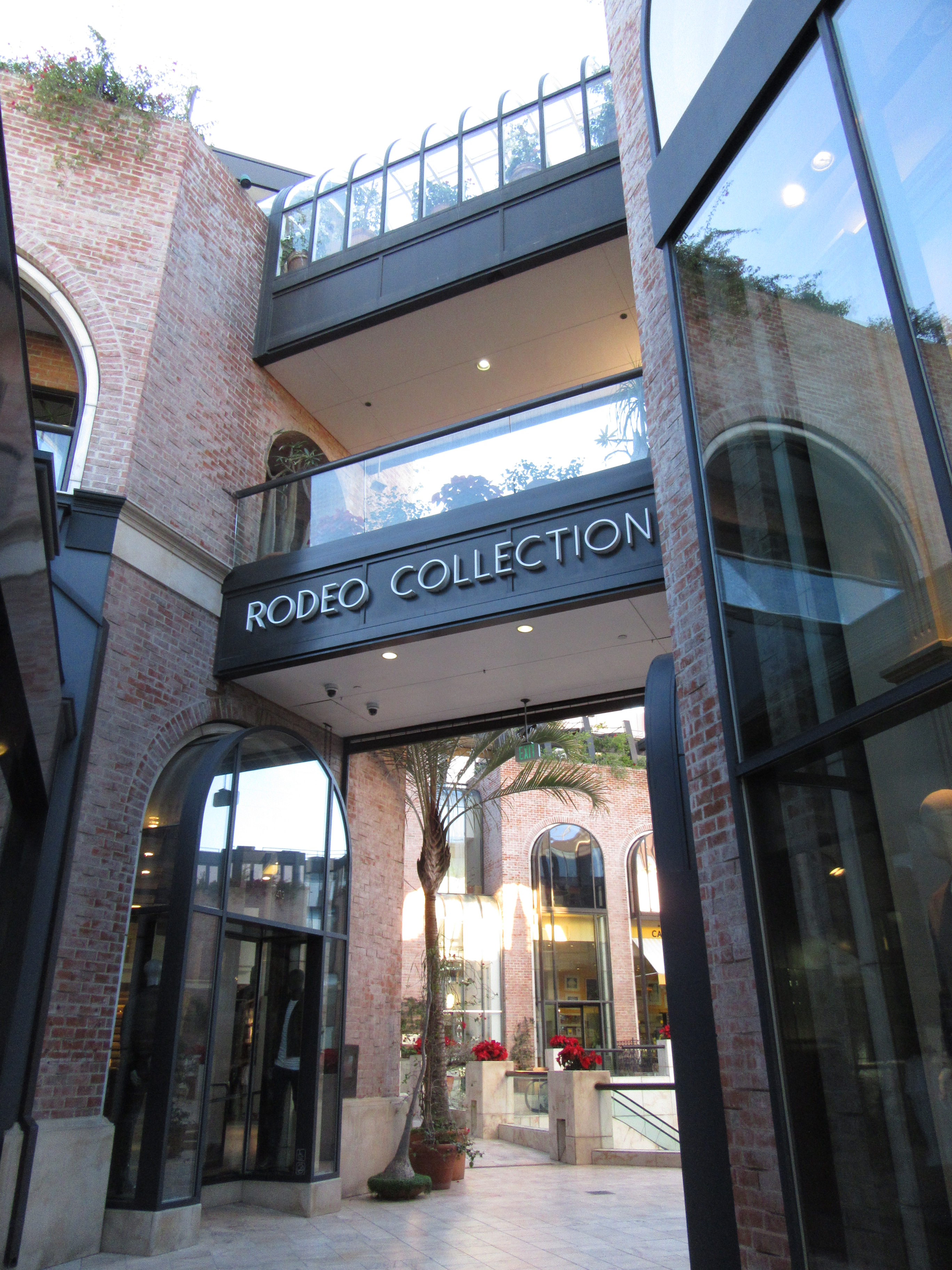
Beverly Hills, the 80’s futurist Rodeo Collection, the “Vaporwave” Roman Fountain , and the the 70 futurist/late modernistRoxbury Plaza Century City, which originally had a 60’s futurist aesthetic, was the the film location of Conquest of the Planet of the Apes, and the Century City Mall
1980’s Malls including the Beverly Center(Original image), Westside Pavilion, which reminds Pilleater of the game Myst, and the renovation of those malls which ruined their aesthetic
Historic preservation trends starting with demolition of the Art Deco Richfield Tower in Downtown LA, to the lack of preservation for 80’s architecture today
New architecture inspired by past styles including the new Streamline ModerneUnder construction Beverly Hilton tower, 70’s futurist inspired renderings for skyscrapers, and Rabbit’s observation that many apartments are being retrofited in mid-century modern styles
Santa Monica, the waterfront, architecture including the Art Deco Clock Tower, and Santa Monica NIMBY Restriction on heights
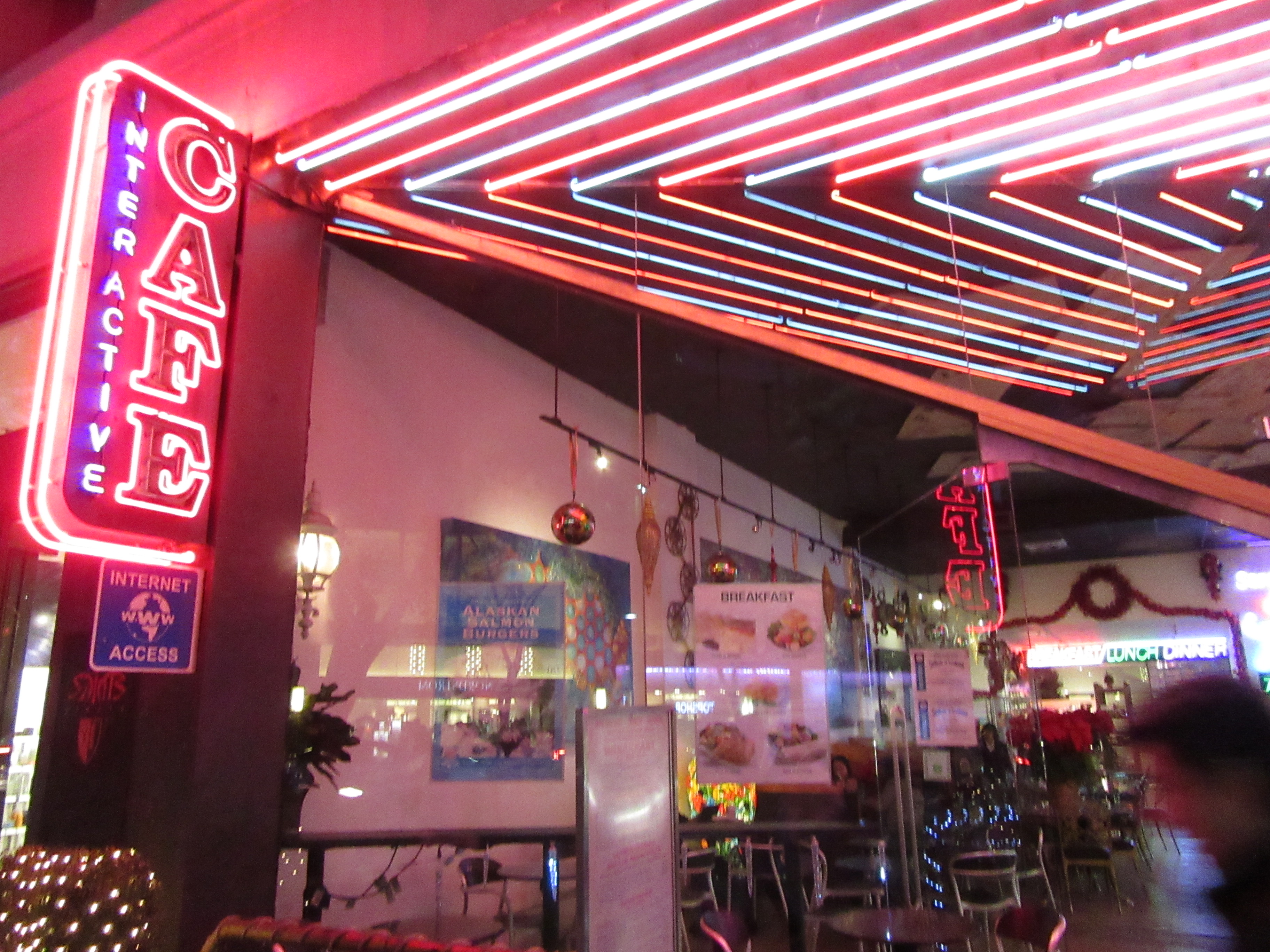
The Interactive Cafe, which is one of the last surviving independent businesses in downtown Santa Monica, and Pilleater’s point that it has a Cyberpunk aesthetic
The high cost of housing in LA, even in unappealing areas
The San Fernando Valley, which was traditionally home to LA’s middle class
Demographic trends, the destruction of the white middle class, gentrification of the urban core, and new suburban ghettos in the desert
Rabbit’s point about SWPLs he met in LA who look down on the suburban middle class
The Alt Left dilemma between identifying with SWPL Culture, and urbanist aesthetics, and supporting white middle class identitarianism, which often lacks strong aesthetic visions
Jeff’s background in parapsychology, having the only doctorate in the field
Raymond Moody’s“Life After Life,” life after death, near death experiences
The discipline of parapsychology
New Thinking Allowed exclusively on YouTube compared to Thinking Allowed on PBS
The beginning of Thinking Allowed
The synth intro of Thinking Allowed, the possible vaporwave influence of it
Alan Watts, New Age philosophy Terence McKenna, LSD and drug use
Ted Talks and conspiracy theroies The PK Man
The theory of open-consciousness, psychic experiences
Geographic locations with spiritual connections
The audience behind New Thinking Allowed, strange book stores
Transhumanism, Mishlove’s art, prescription drug use
The setting in Thinking Allowed, how Jeff get’s guest on the show
YouTube comments
Moonlight’s interest in the horror and sci-fi film genres
The Quantum Terror, crazy monsters, H.P Lovecraft
Puppets in movies, unique story plots, avant-garde films
The film Labyrinth
Movie settings, horror in film, movie monsters
Character’s in Moonlight’s movies
Horror films set in Labyrinth’s including, I Have No Mouth But I Must Scream, Kingdom Come, and The Cutting Room
Moonlight’s theory of the Science-fiction genre
Found footage, Clive Barker, Hellraiser, Alejandro Jodorowsky
H.R Giger, The foundation of Art Girl in the Window
Emily Bloom
Grindhouse films
Chris’s inspiration from Ray Bradbury, and his work on the documentary Live Forever: The Ray Bradbury Odyssey
Moonlight Art Magazine, Goth culture, comics
Technology, art theory, film innovation, creativity
Hollywood’s demands for films
Moonlight’s cultural influences ranging from Salvador Dali to Tangerine Dream
VHS Tapes, film aesthetics, Folk-Horror
Robert Stark and co-host Pilleater talk to Anatoly Karlin. He blogs at The Unz Review
Topics include:
Anatoly’s article at the Unz Review about his American Decade
Why Anatoly is leaving the United States and going back to Russia
How the United States is becoming more like Europe
T.R. Reid’s book The United States of Europe, where he argued that the EU was emerging as a superpower rivaling the US, but has latter been disproved
How during the Bush era Americans perceived Europeans as “Cheese Eating Surrender Moneys,” but latter Sarkozy became the architect of the war in Libya, and arming Syrian rebels
Another element of America’s Europeanization is the decline in social conservatism, the surge in support for gay marriage, and drug legalization
Anatoly’s political views, which are fairly socially liberal(except for rejecting political correctness, and radical feminism), economically centrist, and closest to Rabbit’s AltLeft U.S. Millennials More Likely to Support Censoring Offensive Speech, especially among university students who are the future elites
The decline in American fertility rates toward European levels
How American politics now resembles Europe in the sense that there are five distinct blocs: Clinton democrats, Sanders socialists, Rubio/Bush etablishment conservatives, Cruz Bible-bashers, and Trump nationalists.
Anatoly’s pre election prediction article US Elections 2016: Let’s MAGA, Not War, and Trump’s support in the rust belt
Trump’s economic policies as a hybrid of supply side economics, and economic nationalism, and the similarities to Putin’s economic policies in Russia
The GINI index of income inequality
The pros and cons of economic automation, and the basic income
Transhumanism, Zoltan Istvan, and his book The Transhumanist Wager
The Bay Area where Anatoly spent most of his time in the US, and how it’s pretty much ideal, but also the most expensive macro-region of the US
California is also home to Ron Unz, Steve Sailer, as well as the “Alt Left” movement(the tiny group of thinkers combining leftist economics with HBD, sane views on gender relations, and a penchant for futurism )
The futurist scene in the Bay Area including Scott Jackisch’s Bay Area Futurists meetup, Health Extensions Salons, Mike Johnson’s Qualia Research Institute, Effective Altruism, and the “techno” faction of NRx
Mass Transit, Bay Area Rapid Transit, how older cities tend to have more integrated transit systems, and why conservatives oppose mass transit
Global Warming, Swedish scientist Svante Arrhenius who discovered climate change, debunking climate change deniers, and whether it will benefit arctic regions such as Russia
Observations on other American cities including Las Vegas, Los Angeles, Chicago, New York, Washington DC, and Pittsburgh
Anatoly’s experience ridding across the nation on Amtrak
Architecture: Skyscrapers, Brutalism, architect John Portman’s 70’s Neofuturism, and Rabbit’s ideal city based on the film Logan’s run
America’s great wilderness and National Park System