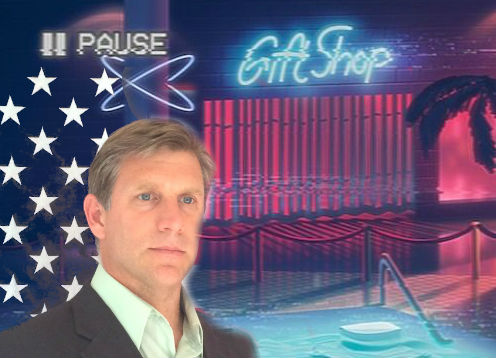
Robert Stark and co-host Sam Kevorkian talk to Joshua Zeidner about the Tech Industry. Joshua has worked in Tech as a software developer and private consultant for Publishing and Finance Companies.
Topics:
The Tech Industry since the Dot Com boom
Joshua’s work in the Tech Industry in Germany and Israel, and his observation that Germany’s has the best work environment and the United States the worst Prof. Norm Matloff’s H-1B Statistics and the current cap at about 65k per year which are eligible for permanent residency
How H-1B’s provide pliant(“handcuffed”) workers
H-1B Frauds such as fake job adds and diplomas and Indian firms Like Infosys and Tata Abusing the program
The need for Unionization/Trade Organizations for Tech workers
Nationalizing Search Engines and Social Media
The International Safe Harbor Privacy Act which was developed for social networks to be built Surveillance Valley by Yasha Levine
How Venture Capital money goes into “tech ventures” that embezzle crypto coins, operated like a ponzi scheme and become a liquid un-taxable and untraceable asset Making Sense of the Google Memo Why I Was Fired by Google – WSJ
Is Silicon Valley pulling it’s weight for California?
Tim Draper’s Six Californias Proposal
Robert Stark talks to Santa Barbara Mayoral candidate Hal Conklin for a written interview. Hal Conklin was the former Mayor of Santa Barbara and is the President of USA Green Communities.
Topics:
Hal Conklin’s accomplishments as mayor
Environmental solutions for the City and his work for USA Green Communities
The need for leadership in the future, giving the entire community a voice, and the Mayor’s role of “mediator” of dialogue
The Arts
Historic preservation and the City’s legacy of maintaining historic standards since the 1925 Earthquake
The Average Unit-Size Density Program, Height Restrictions, and the Housing Shortage
The Homeless Situation
Retail Vacancies
Tourism
The City’s Budget, the proposed Sales Tax, and revenue solutions
Bringing new jobs to the City
Mass Transit, the Bus System, and a hypothetical Light Rail Line
Robert Stark and co-host Sam Kevorkian talk to Zoltan Istvan about his proposal for a California State Basic Income. Zoltan is a Trans-Humanist and futurist writer, philosopher, and journalist. He was the Transhumanist Party’s candidate for president in 2016, has written for Vice, Newsweek, the Huffington Post, and Psychology Today, was a reporter for the National Geographic Channel, and is the author of The Transhumanist Wager.
Robert Stark and co-host Sam Kevorkian talk to Joshua Zeidner. Joshua is originally from the New York region and has a degree in Computer Science and minor in Art from CUNY .
Topics:
How Joshua became involved in Right Wing politics and the Tea Party Party in response to illegal immigration in Arizona
The demographic transformation and destruction of the middle class in California
Suburban sprawl in Phoenix, environmentalism, and urban planning issues
Living in Israel and witnessing a terrorist attack in Jerusalem
Israel as a National Socialist Nation
Intelligent millennials lacking economic opportunities joining dissident movements
Parallels to Weimar Germany where former members of the middle class were reduced to poverty
Creating a new political dichotomy to address these issues
Social Nationalism as an alternative to Conservatism
The flaws of Libertarian ideology and free market economics Boomer Conservatism and the Old Economy Steve Meme
Karl Marx on society as a relationship between capital and labor
Italian Futurism and National Futurism Heavy Metal (magazine)
Joshua’s Facebook group The Whims of Savagery
Illustrators Tanino Liberatore, Philippe Druillet, and Moebius
The creation of Trip and Pilleater’s other new book Almond Eyes, Baby Face
Cause & Effect’s Trip album
The main characters Tom Delunge and Daisy Liang
Information Society –Pure Energy
Tom Delunge as an alter ego of Pilleater, Robert Stark as Howard Festler, and Rabbit as Turtle
Sex and Race-Play in the book
Tom’s stand-up comedy as a way to deal with his past trauma
Asian-Aryanism as a new sub-culture
Porn Actress Harriet Sugarcookie, Franny Choi, and avant-garde Asian culture(Amped Asia Magazine, Alt-Porn)
Asian-Aryanism as the new street or “queer theory” culture, synergizing the Alt-Right/Left, Adam Parfrey’s Apocalypse Culture, and Asian studies
The setting of Santa Barbara, West Coast America
Chinese vs Japanese culture
Tom’s dreams; the subconscious dream becomeing a reality; Phillip K. Dick’s VALIS, and the film Monkeybone
SJW culture and the “Yellow Feminist” Jack Kerouac’sOn the Road and the cliche of road trip stories in film
Socioeconomics, snob culture, and the fetish of youth culture
John’s background growing up in Santa Monica in the 70’s and 80’s, and how Southern California has changed since then
John’s background in Punk music and his band the patriots
John’s Grab ’em by the Pu**y Song
John’s running of the Brooklyn Tea Party, protest against the Ground Zero Mosque, friction with the Manhattan Tea Party, and the conflict between economic interest and culturism
The debate between the Alt-Right Ethno-Nationalist and color blind Civil Nationalist, and how culturism can address those issues
The multi-culturalist concept that all cultures are equal
Mechanism and institution of culturism
The importance of having high levels of social cohesion for a society to function
Whether to much culturism can be oppressive, and the need for a balance between individualism and cohesion
John’s experience living in Korea as a College professor, and his observations on Korea which is a culturist society
Why John views himself as an academic refugee
The book The Cleanest Race: How North Koreans See Themselves
John’s book Capsule: A Search for Identity in Modern Japan
Culturism, architecture, urbanism, and aesthetics, and why modism and futurism needs culturism
Regional identities
The socio sexual status of the dominant culture
The Brittish Poet Matthew Arnold who was the founder of culturalism
John’s book Culturism: A Word, A Value, Our Future, a fictional biography about Matthew Arnold
The importance of being involved in culture rather than such politics
The Hollywood imagery and outsider stereotypes of LA
The history of LA
How LA’s urban core is spread out over a large geographic area from Santa Monica on the Coast to Downtown LA
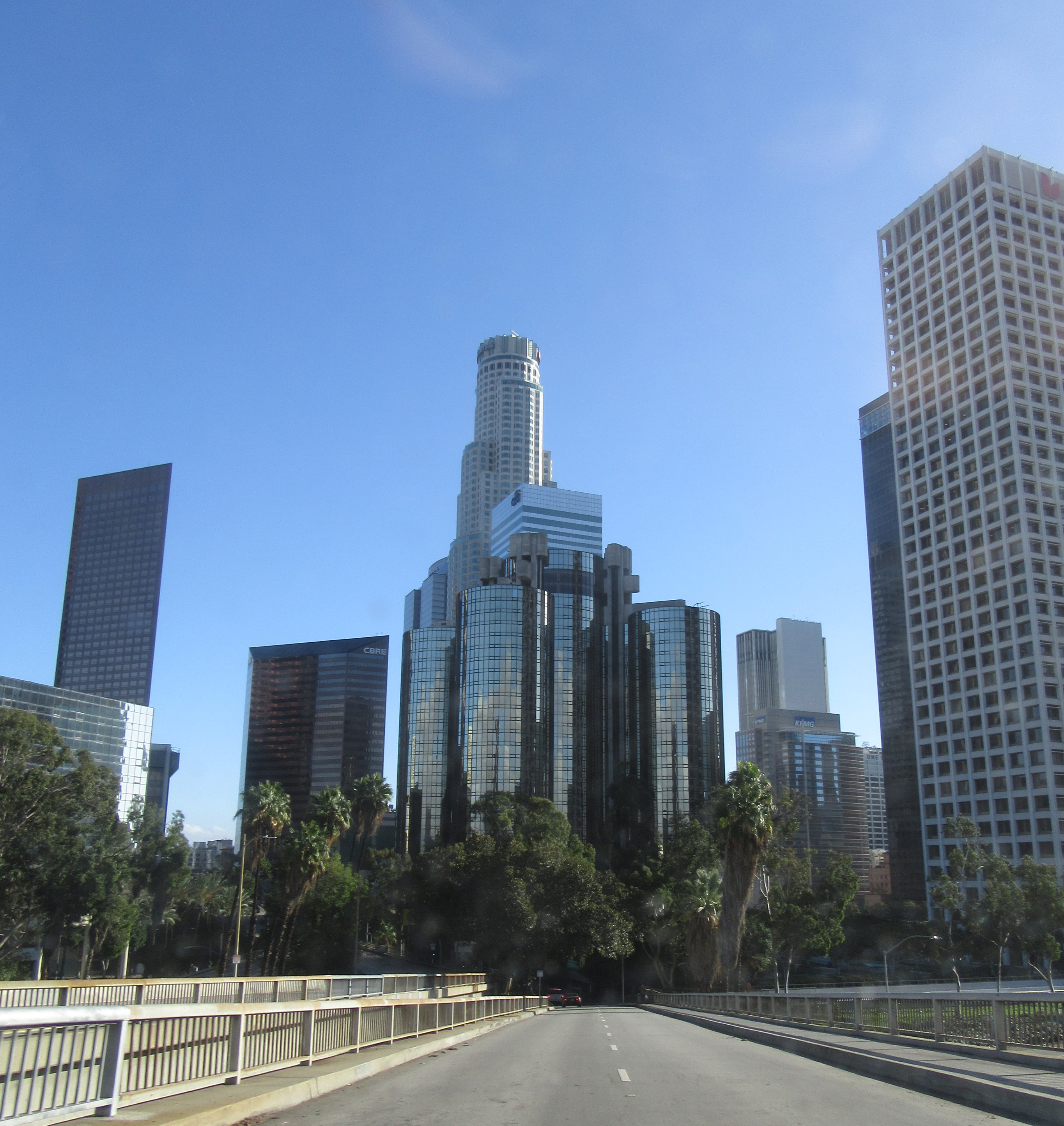
Robert’s disclaimer that the photos capture the best of LA, but that most of the spaces in between are unappealing due to the cities sprawl
LA’s transit system
South Central LA
West Hollywood, and Rabbit’s experience living there
Downtown LA, the gentrification of the historic core, the grittiness and vintage signage of Broadway, and the Serial Killers Who Haunted The Cecil Hotel
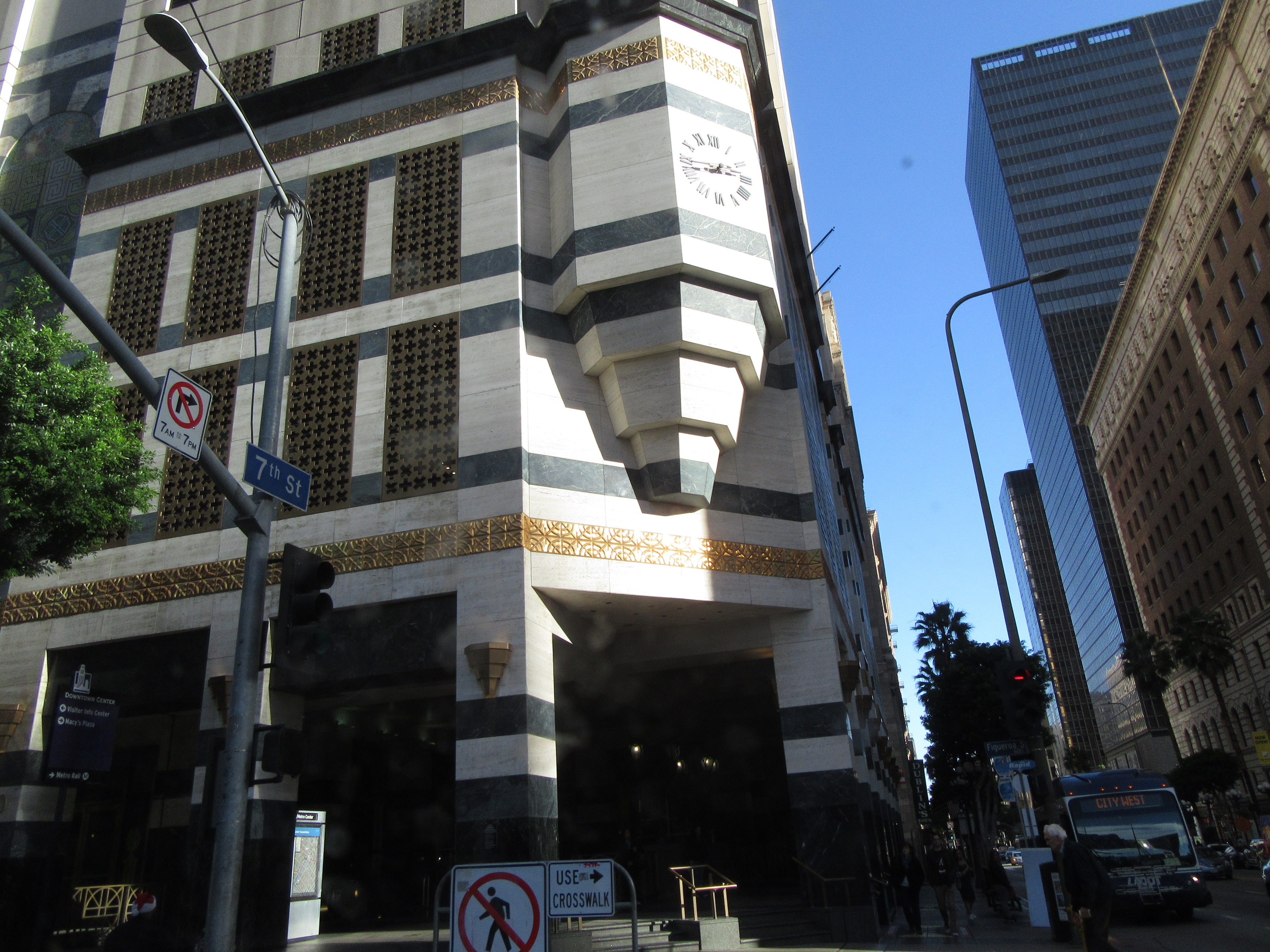
Downtown LA’s architecture including John Portman’s Bonaventure Hotel, and the the 80’s Art Deco revivalHome Savings Building where Charles Lincoln worked
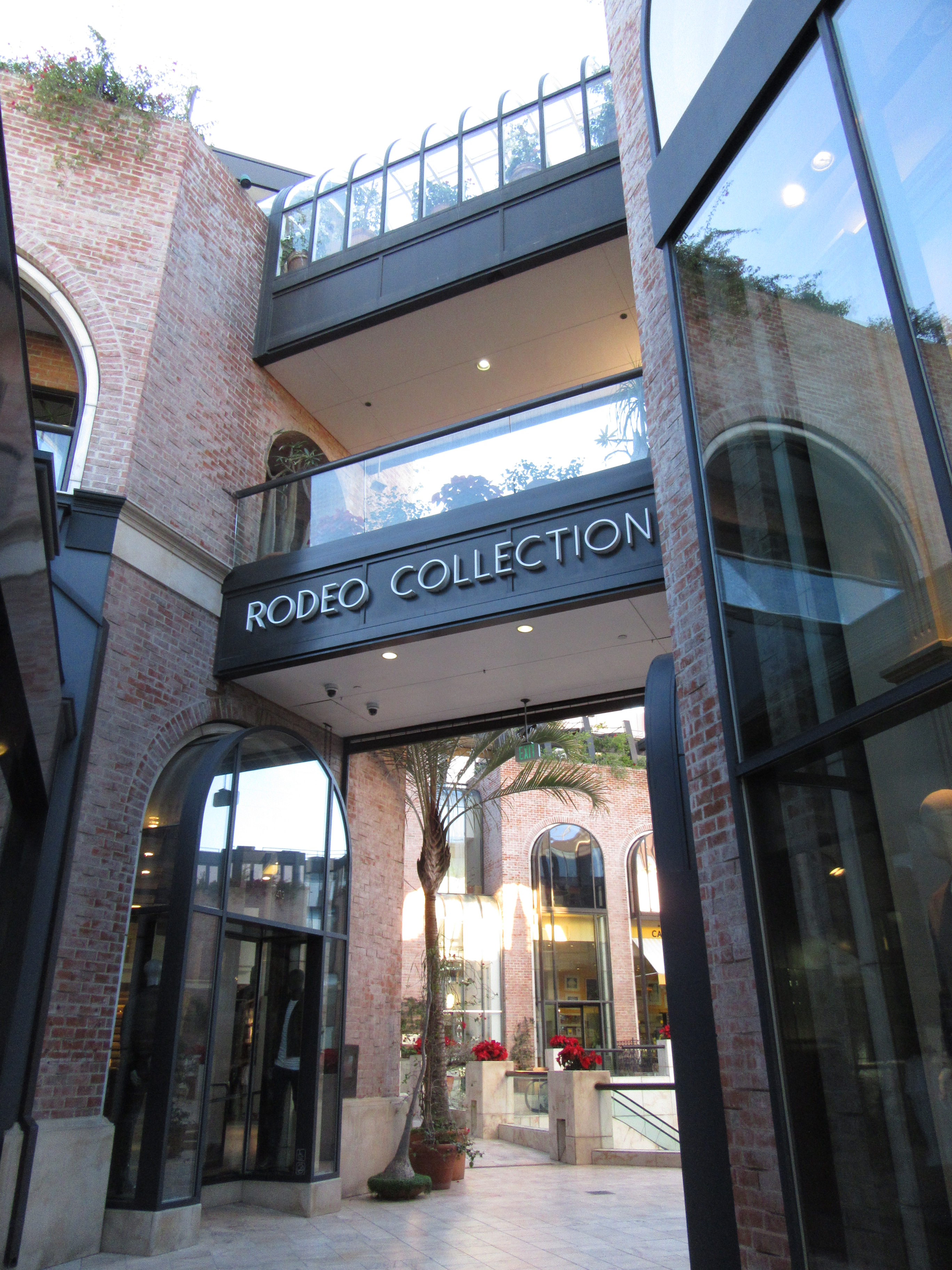
Beverly Hills, the 80’s futurist Rodeo Collection, the “Vaporwave” Roman Fountain , and the the 70 futurist/late modernistRoxbury Plaza Century City, which originally had a 60’s futurist aesthetic, was the the film location of Conquest of the Planet of the Apes, and the Century City Mall
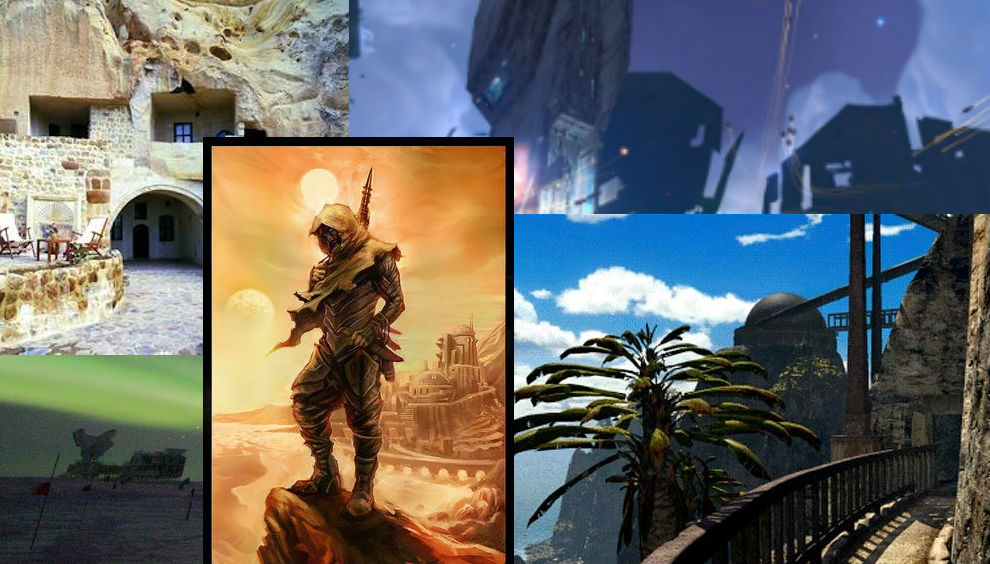
1980’s Malls including the Beverly Center(Original image), Westside Pavilion, which reminds Pilleater of the game Myst, and the renovation of those malls which ruined their aesthetic
Historic preservation trends starting with demolition of the Art Deco Richfield Tower in Downtown LA, to the lack of preservation for 80’s architecture today
New architecture inspired by past styles including the new Streamline ModerneUnder construction Beverly Hilton tower, 70’s futurist inspired renderings for skyscrapers, and Rabbit’s observation that many apartments are being retrofited in mid-century modern styles
Santa Monica, the waterfront, architecture including the Art Deco Clock Tower, and Santa Monica NIMBY Restriction on heights
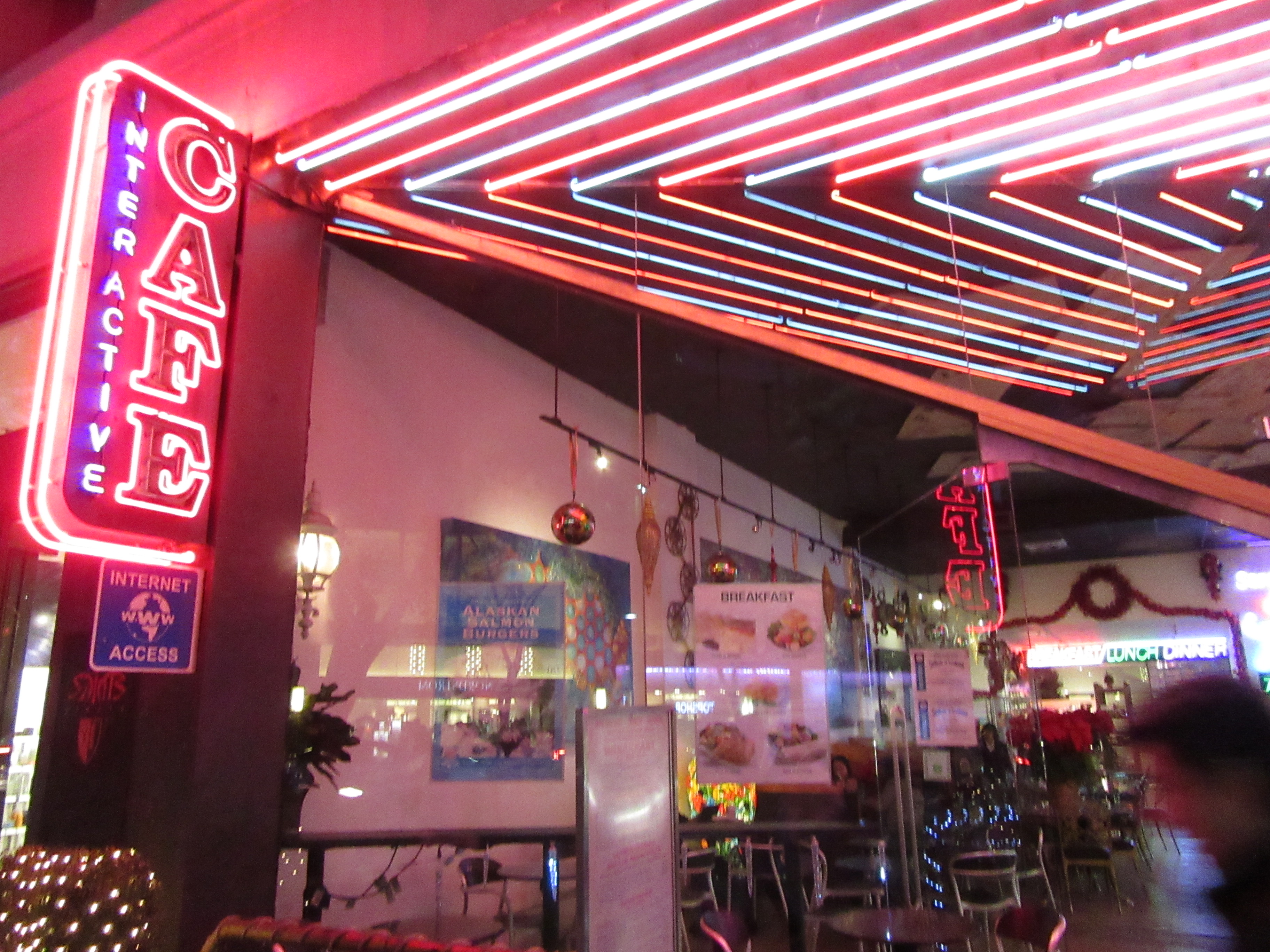
The Interactive Cafe, which is one of the last surviving independent businesses in downtown Santa Monica, and Pilleater’s point that it has a Cyberpunk aesthetic
The high cost of housing in LA, even in unappealing areas
The San Fernando Valley, which was traditionally home to LA’s middle class
Demographic trends, the destruction of the white middle class, gentrification of the urban core, and new suburban ghettos in the desert
Rabbit’s point about SWPLs he met in LA who look down on the suburban middle class
The Alt Left dilemma between identifying with SWPL Culture, and urbanist aesthetics, and supporting white middle class identitarianism, which often lacks strong aesthetic visions